

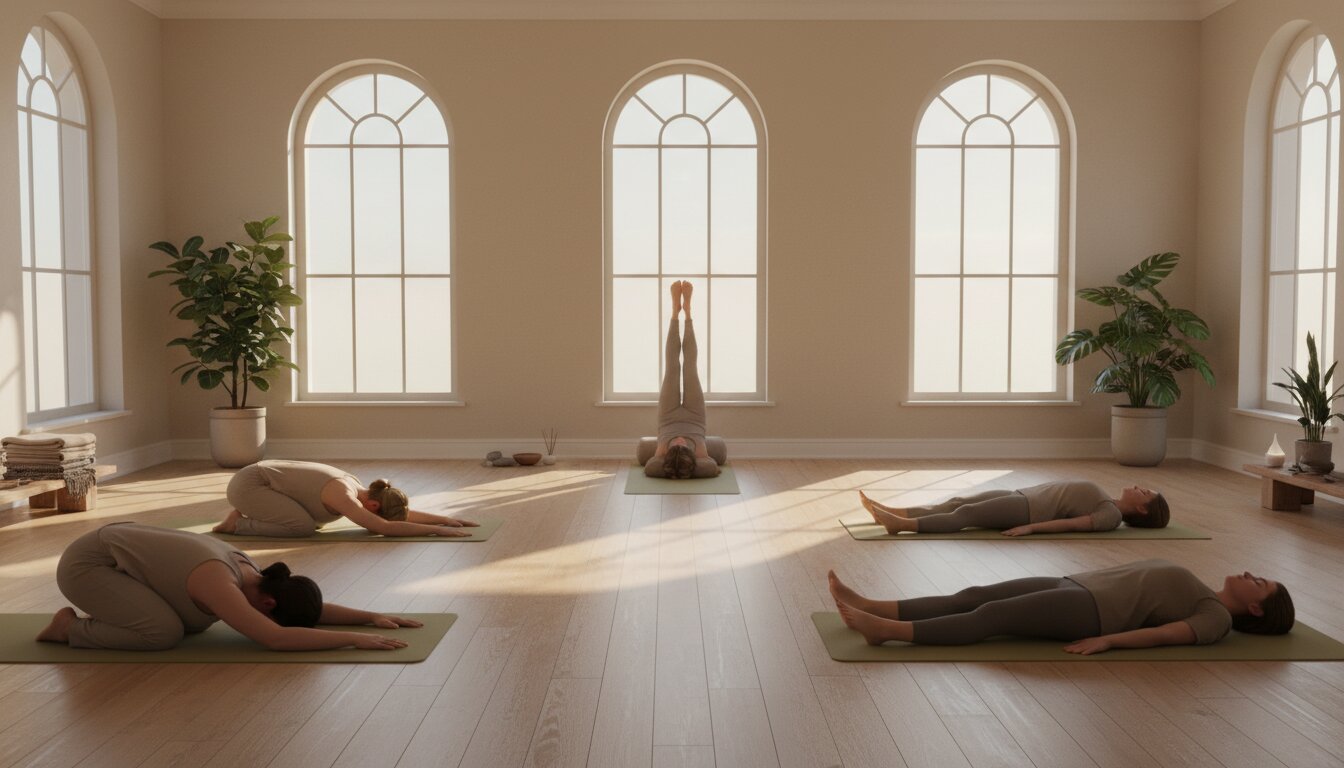
Are you feeling overwhelmed by daily stress or physically drained after intense workouts? Finding time to pause is crucial for your overall health. By incorporating resting yoga positions into your daily routine, you can effectively calm your nervous system, release deep muscle tension, and restore your mind.
This comprehensive guide explores the most effective poses designed for deep relaxation and physical recovery. You will learn the science behind why slowing down works, discover step-by-step instructions for top restorative postures, and uncover expert tips to enhance your practice. Whether you want better sleep or mental clarity, these insights provide exactly what you need.
The Science and Benefits of Resting Yoga Positions
Resting yoga positions do much more than just give you a break from physical exertion. These gentle postures actively engage your parasympathetic nervous system, which is responsible for your body’s “rest and digest” functions. When you hold these poses, your heart rate slows down, your blood pressure drops, and your body decreases its production of cortisol, the primary stress hormone.
Practicing these poses regularly helps you recover faster from intense physical training. When you hold a gentle stretch for several minutes, you allow the connective tissues—called fascia—to release tightness. This process improves your overall flexibility and joint mobility. For those managing chronic stress or insomnia, spending just fifteen minutes a day in these calming postures can dramatically improve sleep quality and mental focus.
You do not need to be an advanced yogi to reap these benefits. Anyone can practice these postures, regardless of age or fitness level. By using props like bolsters, blankets, and blocks, you bring the floor up to meet you, ensuring your body feels completely supported. This total physical support signals to your brain that it is safe to let your guard down.
Top 10 Resting Yoga Positions for Ultimate Relaxation
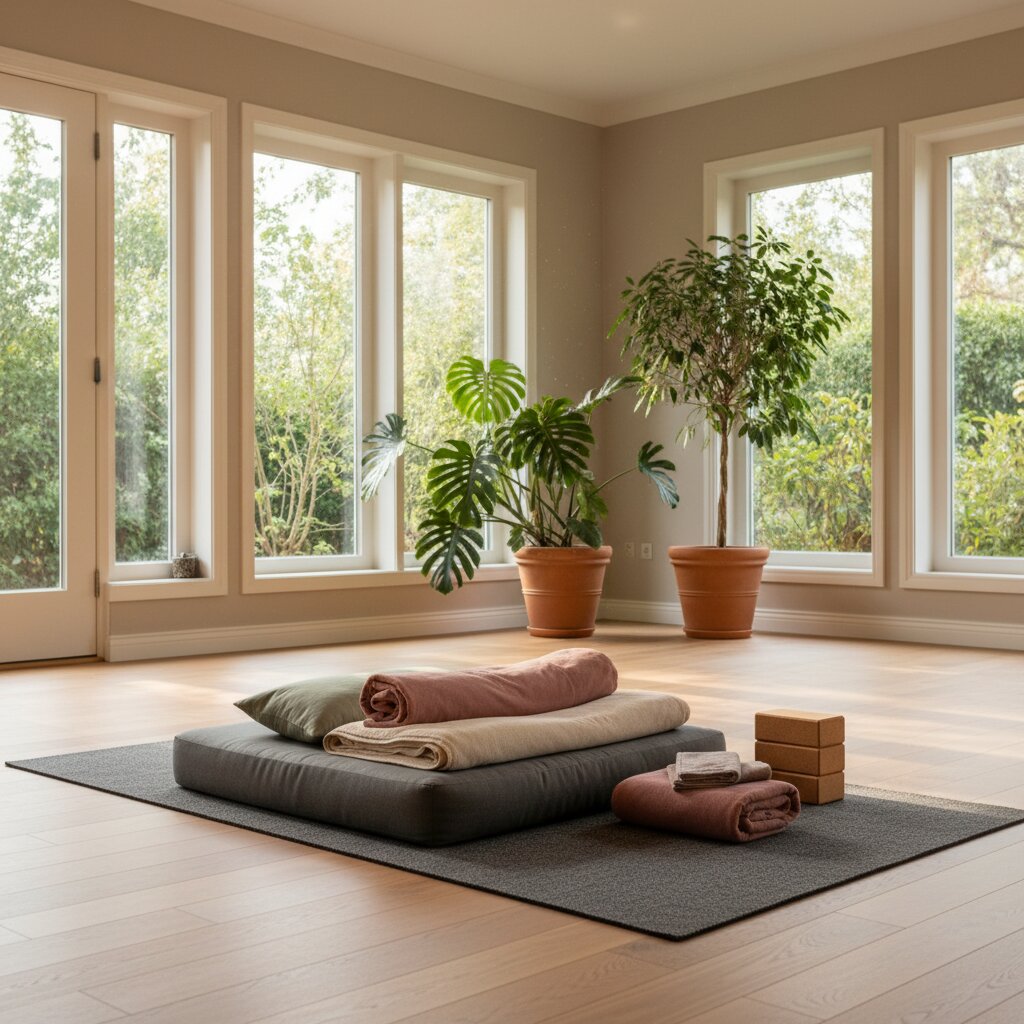
Integrating specific restorative poses into your evening routine or post-workout cooldown can transform your health. Here are the best postures to help you unwind.
1. Child’s Pose (Balasana)
Child’s Pose serves as the ultimate grounding posture. It gently stretches your hips, thighs, and ankles while relieving back and neck pain.
To perform this pose, start on your hands and knees. Spread your knees as wide as your mat and bring your big toes to touch. Sit your hips back onto your heels and slowly walk your hands forward until your forehead rests on the floor. If your hips do not reach your heels, place a folded blanket between your calves and thighs. You can also place a bolster under your chest for added support. Focus on taking deep breaths into your back body, feeling your ribs expand with every inhale.
2. Legs-Up-the-Wall Pose (Viparita Karani)
This mild inversion is incredible for tired legs and lower back pain. It improves circulation and helps drain lymphatic fluid from your lower extremities.
Sit sideways next to a wall. As you lay back onto the floor, swing your legs up the wall. Scoot your hips as close to the wall as comfortable. Your body should form an L-shape. Let your arms rest by your sides with your palms facing upward. If your hamstrings feel tight, scoot your hips a few inches away from the wall. Close your eyes and remain here for five to fifteen minutes. This is an excellent addition to any routine focused on yoga for stress relief.
3. Reclining Bound Angle Pose (Supta Baddha Konasana)
This posture opens your hips and chest, making it perfect for counteracting the effects of sitting at a desk all day.
Lie on your back and bend your knees. Bring the soles of your feet together and let your knees drop open to the sides, creating a diamond shape with your legs. To make this fully restorative, place a yoga block or a rolled blanket under each knee so your inner thighs do not have to work to hold your legs up. You can also lie back over a bolster to gently open your chest. Breathe deeply into your belly and chest.
4. Supported Bridge Pose (Setu Bandhasana)
Supported Bridge Pose gently stretches your chest, neck, and spine while calming the brain. It is highly beneficial for alleviating anxiety and mild depression.
Lie on your back with your knees bent and your feet flat on the floor, hip-width apart. Press into your feet to lift your hips and slide a yoga block under your sacrum (the flat bone at the base of your spine). Rest your weight entirely on the block. Your arms can rest alongside your body. Ensure the block is positioned comfortably; it should not pinch your lower back. Hold this pose for three to five minutes.
5. Corpse Pose (Savasana)
Often considered the most important pose in any yoga practice, Savasana allows your body to integrate the benefits of your practice and enter a state of deep rest.
Lie flat on your back. Separate your legs slightly and let your feet flop open to the sides. Rest your arms alongside your body, palms facing up. Tuck your shoulder blades slightly under your back to open your chest. Close your eyes and consciously relax every muscle in your body, starting from your toes and working up to your jaw and forehead. Stay here for at least five minutes, letting go of all controlled breathing.
6. Supported Child’s Pose
A variation of the traditional Child’s Pose, this version uses a bolster to provide maximum comfort and security, mimicking the feeling of being held.
Place a bolster lengthwise on your mat. Straddle the bottom of the bolster with your knees and pull it close to your hips. Slowly fold your torso forward so your belly, chest, and one cheek rest completely on the bolster. Let your arms drape over the sides. Halfway through your hold time, turn your head to rest on the opposite cheek to ensure an even stretch in your neck.
7. Reclining Spinal Twist (Supta Matsyendrasana)
Twists are fantastic for spinal health and digestion. A reclining twist releases tension in the lower back and stretches the glutes.
Lie on your back and hug your right knee into your chest. Keep your left leg straight on the floor. Guide your right knee across your body toward the floor on your left side. Extend your right arm out to the side like a T and gaze over your right shoulder. If your right knee does not touch the ground, place a block under it for support. Hold for three minutes, then switch sides.
8. Supported Fish Pose (Matsyasana)
This gentle heart opener counteracts slumping posture and opens the respiratory system, allowing for deeper, more efficient breathing.
Place a block on its medium height horizontally across your mat where your shoulder blades will rest. Place a second block on its highest height where your head will rest. Slowly lower yourself back onto the blocks. Your arms should rest out to the sides, palms up. You can keep your legs straight or bend your knees with your feet on the floor. This posture pairs beautifully with meditation techniques that focus on breath awareness.
9. Crocodile Pose (Makarasana)
Crocodile Pose is a simple prone position that relaxes the entire back of the body and encourages diaphragmatic breathing.
Lie on your stomach. Stack your forearms and rest your forehead on your wrists. Separate your legs slightly wider than hip-width, with your heels turning inward and your toes pointing out. As you breathe, feel your belly press against the floor on the inhale and relax on the exhale. This tactile feedback helps you establish deep, calming breaths.
10. Seated Forward Bend (Paschimottanasana) – Supported Version
A supported seated forward bend stretches the hamstrings and lower back while turning your attention inward.
Sit on the floor with your legs extended straight in front of you. Place a rolled blanket or bolster across your legs. Inhale to sit up tall, and exhale to fold forward from your hips, resting your forehead and arms on the prop. Let your spine round slightly and release any effort in your neck. Hold for three to five minutes.
Comparing Active Yoga to Resting Yoga Positions
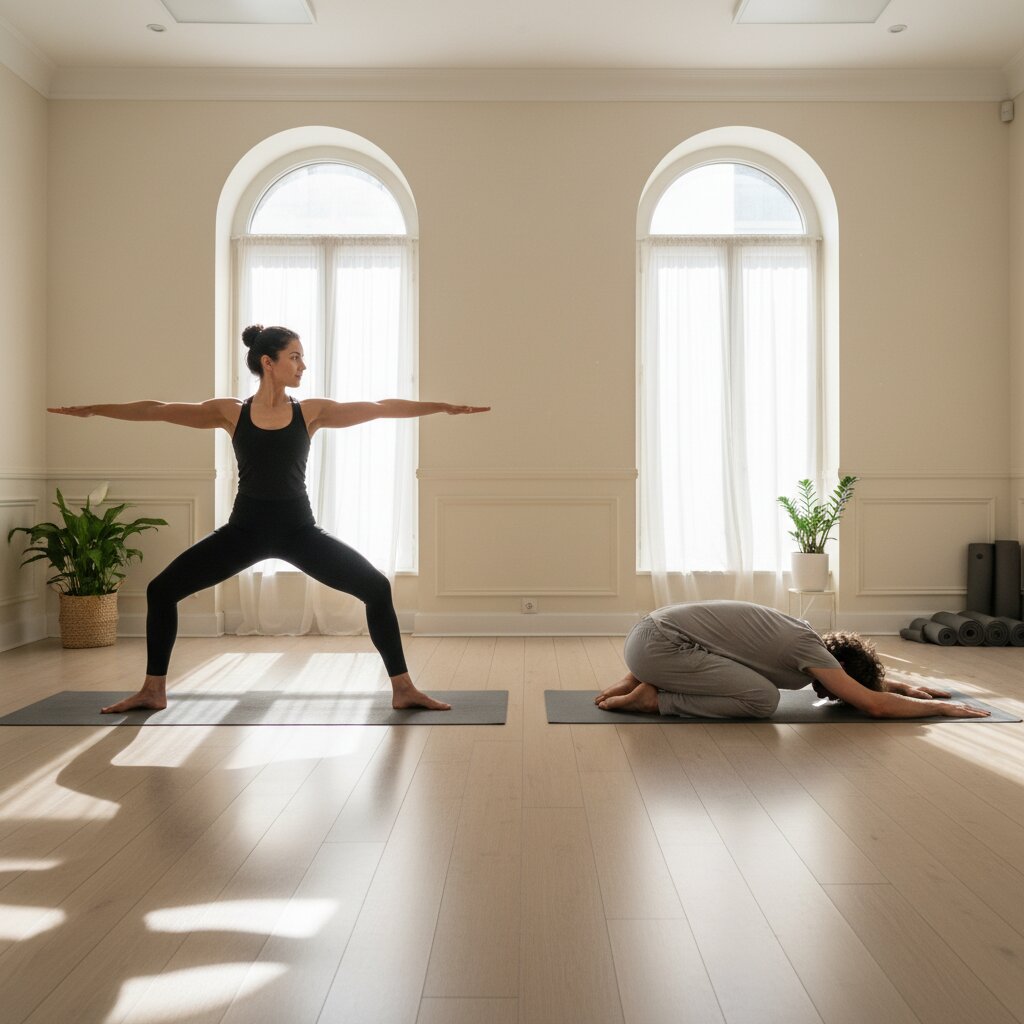
Understanding the difference between active and restorative practices helps you build a balanced routine.
|
Feature |
Active Yoga (e.g., Vinyasa) |
Resting Yoga Positions (Restorative) |
|---|---|---|
|
Primary Goal |
Build strength, heat, and flexibility |
Calm the nervous system and release deep tension |
|
Pace |
Fluid, continuous movement |
Stillness, holding poses for several minutes |
|
Muscle Engagement |
Muscles actively contract and stabilize |
Muscles completely relax and let go |
|
Prop Usage |
Minimal (blocks for alignment) |
Heavy (bolsters, blankets, blocks for support) |
|
Best Time to Practice |
Morning or mid-day for energy |
Evening, before bed, or post-workout for recovery |
Common Mistakes to Avoid During Your Practice
Even in gentle postures, certain missteps can prevent you from achieving true relaxation. Watch out for these common errors.
- Skipping the Props: Trying to hold a restorative pose without proper support forces your muscles to engage. Always use enough props so you feel completely held by the earth.
- Rushing the Hold Time: It takes your nervous system about two to three minutes to realize it is safe to relax. If you only hold a pose for thirty seconds, you miss out on the deepest benefits. Aim for at least five minutes per pose.
- Ignoring Physical Discomfort: Resting yoga positions should never cause sharp pain. If you feel pinching or straining, gently back out of the pose and adjust your props.
Expert Insights and Pro Tips for Deep Relaxation
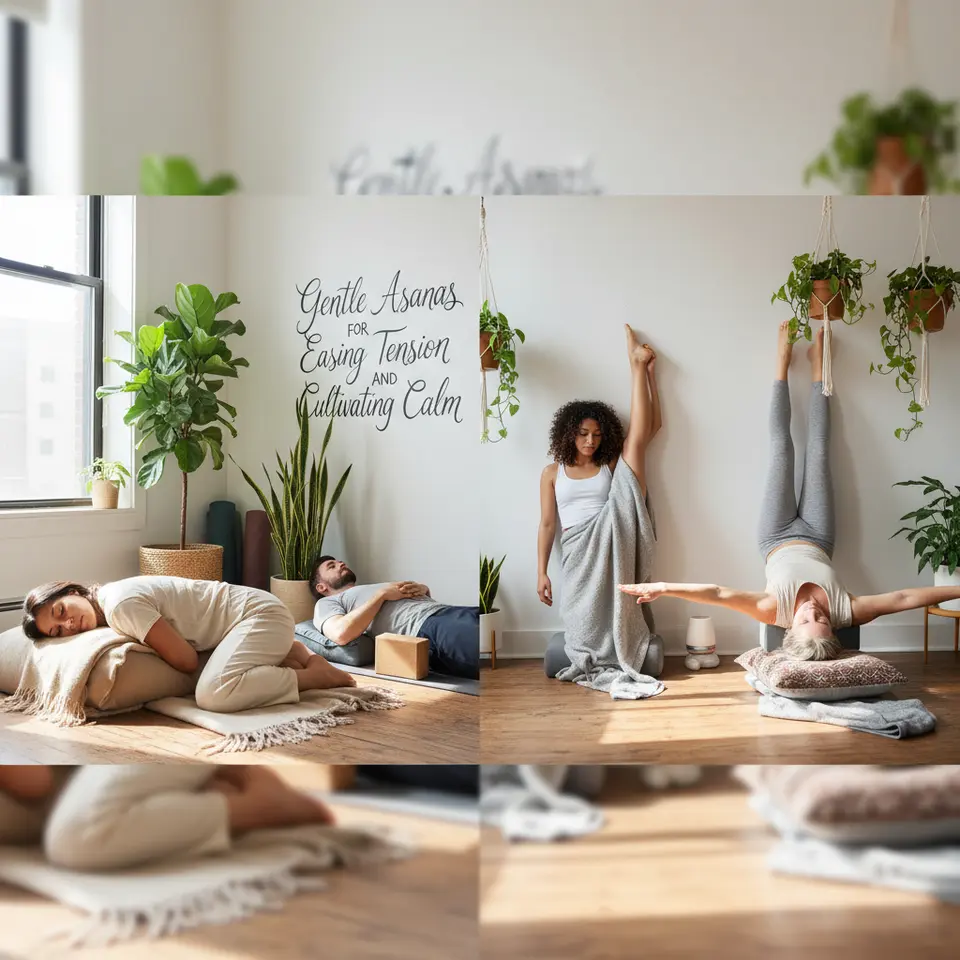
To get the most out of your relaxation practice, create an environment that signals safety and calm to your brain.
Dim the lights in your room or use a lavender-scented eye pillow to block out visual stimulation. Temperature drops when your body relaxes, so keep a warm blanket nearby or wear cozy socks. Finally, commit to leaving your phone in another room. The constant pinging of notifications will instantly pull you out of your parasympathetic state. If you are exploring beginner yoga routines, dedicating just ten minutes at the end of your session to these specific resting poses will dramatically change how you feel the next day.
By making space for stillness, you give your body the profound gift of recovery. In a culture that prioritizes constant hustle, choosing to lie down and breathe is a radical act of self-care.
Conclusion
Incorporating resting yoga positions into your lifestyle offers a powerful, accessible way to manage stress, enhance physical recovery, and improve your sleep. By utilizing props and allowing yourself to truly let go, you can reset your nervous system and find profound inner peace. Unroll your mat, grab some blankets, and give your body the rest it deserves tonight.
FAQs
1. What are the best resting yoga positions for beginners?
Child’s Pose and Corpse Pose (Savasana) are the most accessible starting points. They require no special flexibility and naturally encourage deep, calming breaths.
2. How long should I hold a resting pose?
For maximum benefit, aim to hold each posture for three to five minutes. If you are comfortable and well-supported, you can hold poses like Legs-Up-the-Wall for up to fifteen minutes.
3. Do I need expensive props to practice these poses?
No, you do not need expensive gear. You can easily substitute standard household items. Couch cushions work well as bolsters, thick books can replace yoga blocks, and bath towels can be rolled up to support your knees or neck.
4. Can resting yoga positions help with insomnia?
Yes, practicing these gentle postures before bed lowers your heart rate and reduces cortisol levels, preparing your brain and body for a more restful, uninterrupted night of sleep.
5. Should I stretch before doing restorative yoga?
It is not strictly necessary. Restorative yoga is not about stretching muscles to their limit; it is about releasing tension. However, doing a few gentle neck rolls or cat-cow stretches beforehand can help you settle in.
6. Why do I feel restless when trying to stay still?
Feeling restless is incredibly common, especially if you have a high-stress lifestyle. Your brain is used to constant stimulation. Focus on counting your breaths or listening to calming music to give your mind a gentle anchor.
7. Can I do resting poses if I am pregnant?
Many resting poses are wonderful during pregnancy, but you must modify them. For example, avoid lying flat on your back (Savasana) for long periods; instead, lie on your left side with a pillow between your knees. Always consult your doctor first.
8. How often should I practice these recovery poses?
You can practice them every single day. Even dedicating ten minutes a day to one or two poses will yield significant compounding benefits for your physical and mental health.
9. Will restorative yoga help with muscle soreness after lifting weights?
Yes. Holding supported postures encourages blood flow and lymphatic drainage, which helps flush out metabolic waste from your muscles and speeds up your overall recovery time.
10. How is this different from Yin Yoga?
While both are slow-paced, Yin yoga involves actively stretching the deep connective tissues and involves a mild level of discomfort. Restorative yoga uses heavy prop support so the body feels zero physical stress or intense stretching.
