

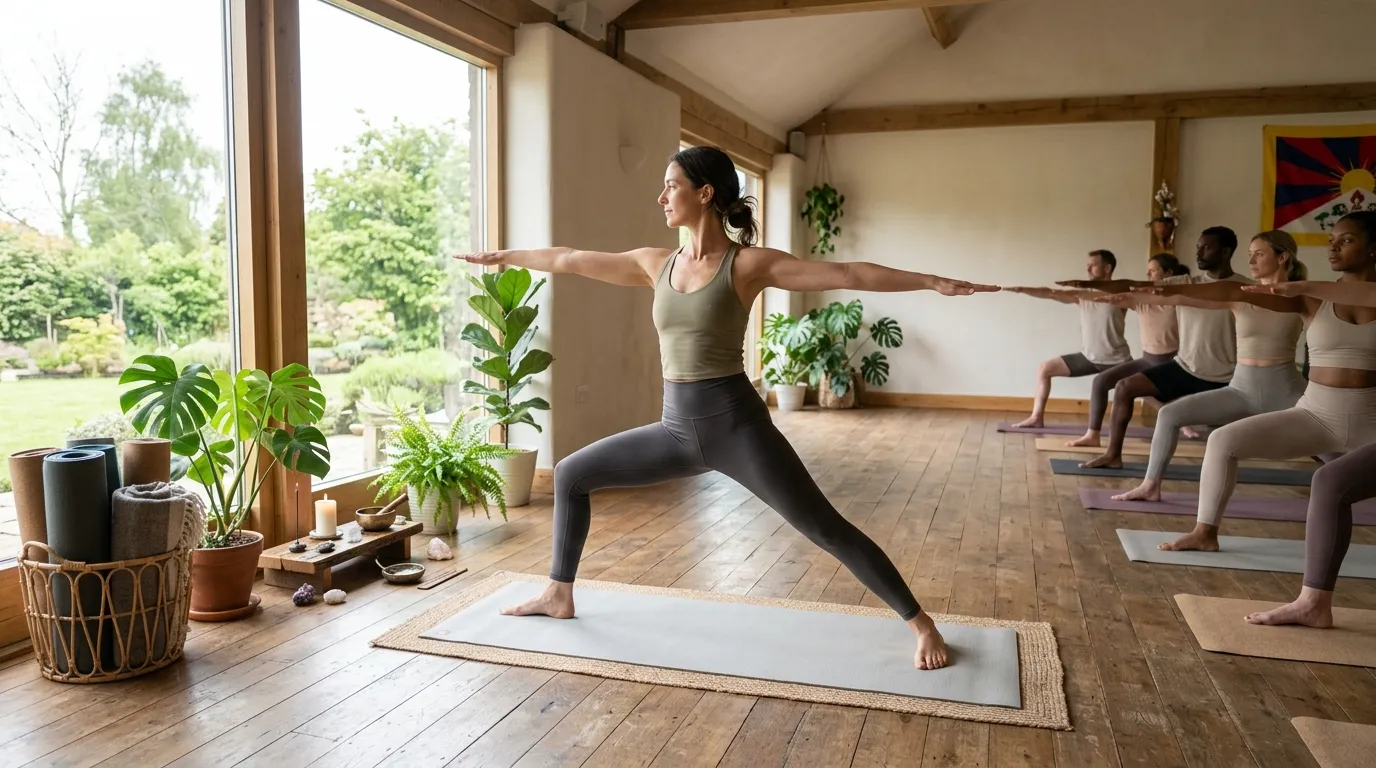
Do you dream of guiding others through their wellness journey? Understanding the right Yoga Instructor Qualifications is your first crucial step. Getting certified requires dedication, practice, and the right educational path. Let us explore exactly how you can turn your passion into a fulfilling, professional teaching career.
This comprehensive guide covers everything you need to know about Yoga Instructor Qualifications. We will explore foundational 200-hour training programs, advanced certifications, and Yoga Alliance standards. You will also discover common mistakes to avoid, expert insights for success, and how to select the perfect program to launch your teaching career effectively.
Understanding the Core Yoga Instructor Qualifications
To teach effectively and safely, you must possess specific Yoga Instructor Qualifications. The fitness industry recognizes formal training as the baseline for any professional teacher. While no single legal governing body mandates a license to teach, studios, gyms, and private clients universally expect you to hold recognized credentials. Obtaining proper Yoga Instructor Qualifications protects both you and your students. It ensures you understand human anatomy, proper alignment, and safe sequencing. Without this foundational knowledge, you risk injuring your clients and damaging your professional reputation.
Your journey begins with a profound personal practice. You cannot teach what you do not understand. Before you even apply for formal Yoga Instructor Qualifications, you should spend at least six months to a year practicing consistently. This personal experience builds the physical stamina and mental clarity necessary for intensive training. Once you establish a strong foundation, you can confidently enroll in a structured teacher training program. These programs transform your personal passion into professional expertise, giving you the tools to guide diverse groups of students.
Securing your Yoga Instructor Qualifications involves dedicating significant time and financial resources. Most aspiring teachers start with a foundational program that covers the essential aspects of the practice. You will study everything from the philosophical roots of the discipline to the biomechanics of movement. As you progress through your coursework, you will practice teaching your peers, receiving constructive feedback that shapes your unique voice. This comprehensive educational approach ensures that your Yoga Instructor Qualifications represent genuine competence and readiness to lead.
The Role of the Yoga Alliance in Certification
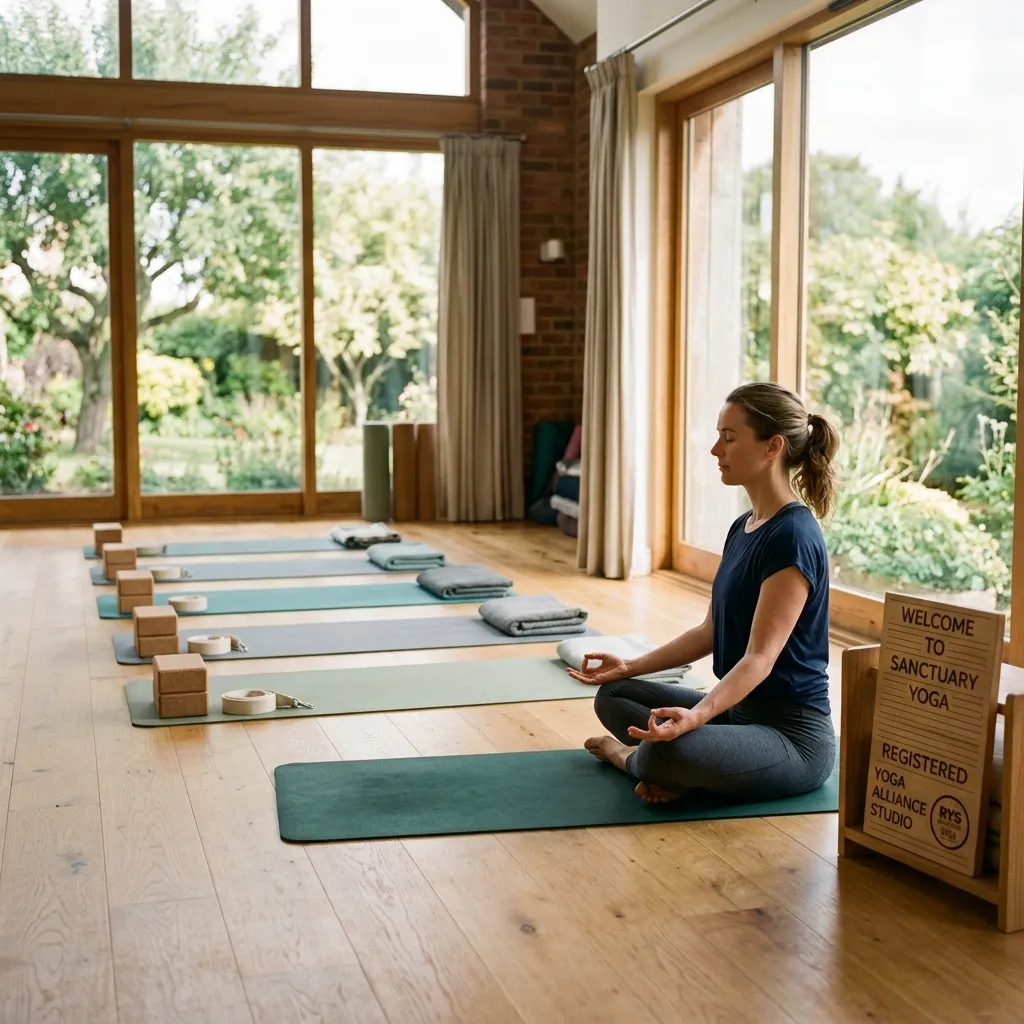
When researching Yoga Instructor Qualifications, you will constantly encounter the Yoga Alliance. The Yoga Alliance acts as the largest nonprofit association representing the community globally. They do not run training programs themselves. Instead, they set the educational standards that registered schools must follow. Schools that meet these rigorous guidelines earn the Registered Yoga School (RYS) designation. When you graduate from an RYS, you become eligible to register as a Registered Yoga Teacher (RYT).
Holding an RYT credential significantly enhances your Yoga Instructor Qualifications. While some independent studios might hire uncredentialed teachers, most major fitness chains and prestigious studios require Yoga Alliance registration. This credential signals to employers and students that you completed a curriculum covering anatomy, methodology, philosophy, and practical teaching experience. It serves as a universal benchmark for quality and safety in the industry. Investing in a program that meets these standards saves you from struggling to find employment later.
Furthermore, maintaining your Yoga Alliance credentials requires ongoing education. To keep your RYT status active, you must complete continuing education courses every few years. This requirement ensures that your Yoga Instructor Qualifications remain current and relevant. You can fulfill these hours by studying Advanced Yoga Anatomy or taking specialized workshops. This commitment to lifelong learning makes you a more versatile, highly sought-after professional in a competitive wellness market.
Choosing the Right 200-Hour Training Program
The 200-hour training program serves as the gold standard for introductory Yoga Instructor Qualifications. This foundational course covers everything you need to begin teaching safely. However, not all programs offer the same quality or focus. You must carefully evaluate potential schools to ensure they align with your career goals. Consider the specific style of practice the school emphasizes. If you want to teach high-intensity Vinyasa, a program focused entirely on Restorative practices will not meet your needs.
You must also consider the format of the training. Some students prefer immersive, month-long retreats in destinations like India or Costa Rica. These intensives allow you to focus entirely on your Yoga Instructor Qualifications without daily distractions. Alternatively, many local studios offer extended programs over several weekends, allowing you to maintain your current job while studying. Recently, online programs have also gained massive popularity, offering unprecedented flexibility for busy professionals seeking their credentials.
Before committing your money, research the lead trainers. The quality of your Yoga Instructor Qualifications depends entirely on the experience and teaching style of your mentors. Look for instructors who hold advanced E-RYT 500 credentials and have years of practical teaching experience. Read reviews from past graduates to understand the program’s strengths and weaknesses. A great program will challenge you physically, intellectually, and emotionally, preparing you for the realities of leading Online Yoga Classes and in-person sessions.
Advanced Yoga Instructor Qualifications: The 300-Hour and 500-Hour Paths
Once you establish yourself as a teacher, you might want to pursue advanced Yoga Instructor Qualifications. The 300-hour training program builds upon your foundational knowledge, allowing you to specialize in specific areas. You cannot take a 300-hour course without first completing a 200-hour program. During this advanced training, you dive deeper into subtle anatomy, complex sequencing, and therapeutic applications. You might choose to focus on trauma-informed practices, prenatal care, or advanced meditation techniques.
Combining your 200-hour and 300-hour training yields a 500-hour certification. Holding 500-hour Yoga Instructor Qualifications places you in the upper echelon of the teaching community. This elite status opens doors to higher-paying opportunities. Studios frequently look for 500-hour teachers to lead workshops, host international retreats, and even direct their own teacher training programs. It demonstrates a profound, long-term commitment to your craft and your students’ well-being.
Pursuing these advanced Yoga Instructor Qualifications requires significant dedication, but the return on investment is substantial. You develop a highly refined teaching methodology and a unique niche in the market. This specialization helps you attract a dedicated student base. Whether you want to focus on athletic performance or gentle rehabilitation, advanced training provides the depth of knowledge required to facilitate truly transformative experiences for your clients.
Comparing Certification Levels
Understanding the differences between training levels helps you plan your educational journey. This table breaks down the various Yoga Instructor Qualifications available.
|
Certification Level |
Prerequisites |
Typical Duration |
Primary Focus |
Best For |
|---|---|---|---|---|
|
200-Hour (RYT 200) |
Consistent personal practice |
1 to 6 months |
Foundational poses, basic anatomy, teaching methodology |
New teachers starting their career |
|
300-Hour |
Completed 200-Hour training |
3 to 12 months |
Advanced anatomy, specializations, therapeutics |
Experienced teachers seeking to specialize |
|
500-Hour (RYT 500) |
Completed 200 and 300-Hour |
6 to 24 months |
Mastery of sequencing, profound philosophy, leadership |
Educators wanting to lead retreats or train others |
|
Specialty (e.g., RPYT) |
Completed 200-Hour training |
Varies (often 85+ hours) |
Prenatal, Children’s, or Trauma-Informed practices |
Teachers targeting a specific demographic |
Reviewing this table clarifies how you can strategically build your Yoga Instructor Qualifications over time to achieve your specific professional goals.
Essential Skills Beyond Formal Yoga Instructor Qualifications
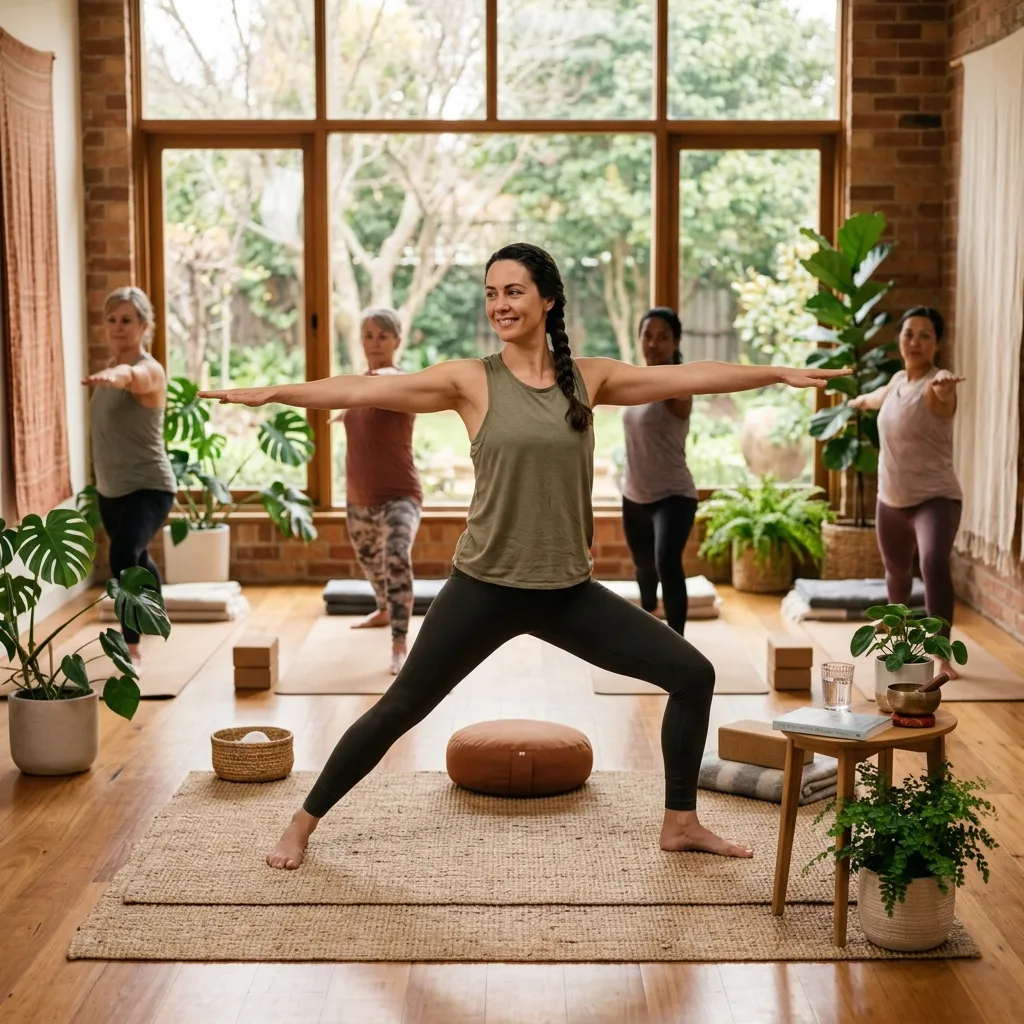
While formal Yoga Instructor Qualifications prove your technical knowledge, thriving in this industry requires soft skills. Communication stands out as the most critical attribute. You must articulate complex physical cues simply and clearly. Your students rely on your voice to guide them safely through difficult transitions. Effective teachers adjust their language and tone to match the energy of the room, creating an inclusive, welcoming environment for practitioners of all levels.
Furthermore, empathy and emotional intelligence elevate a good teacher to a great one. You will encounter students dealing with physical injuries, emotional trauma, and daily stress. Providing a safe, non-judgmental space requires deep compassion. You must learn to read body language and offer modifications proactively. These interpersonal skills often matter just as much as your formal Yoga Instructor Qualifications when it comes to building a loyal community of students.
Finally, you must develop strong business acumen. Securing your Yoga Instructor Qualifications does not automatically guarantee a full schedule or a sustainable income. You need to market yourself effectively. Learning the basics of Building a Yoga Business, managing your finances, and utilizing social media helps you stand out in a crowded market. Treat your teaching practice as a professional enterprise from day one.
Common Mistakes to Avoid When Pursuing Certification
Many aspiring teachers make critical errors that hinder their progress. Avoiding these common mistakes ensures you maximize the value of your Yoga Instructor Qualifications.
One major mistake is rushing into a teacher training program without sufficient personal practice. If you still struggle to understand basic poses in your own body, you cannot teach them to others safely. Spend adequate time as a dedicated student before attempting to become a teacher. Your personal practice provides the physical and mental stamina required to survive intensive training.
Another frequent error involves choosing a training program based solely on price. Bargain programs often lack experienced instructors, comprehensive curriculums, and proper accreditation. Investing in high-quality Yoga Instructor Qualifications pays off through better job placements and greater confidence.
- Failing to verify if a program holds current Yoga Alliance registration.
- Ignoring the importance of hands-on practice teaching during the training.
- Assuming learning stops the moment you receive your initial certificate.
Pro Tips and Expert Insights for New Teachers

Leading educators offer valuable advice for individuals seeking their Yoga Instructor Qualifications. These expert insights help you navigate your new career path successfully.
Experts strongly advise you to start teaching immediately after graduation. Imposter syndrome often paralyzes new teachers. You might feel you need more Yoga Instructor Qualifications before leading a class. Do not wait for perfection. Start by teaching free community classes or guiding friends and family. This immediate practical application cements your knowledge and quickly builds your confidence in front of a room.
Additionally, professionals recommend finding a mentor. Connecting with an experienced teacher provides invaluable guidance. A mentor can help you refine your sequencing, review your resume, and introduce you to studio owners. Networking remains a powerful tool in the wellness industry. Leverage the connections you make while earning your Yoga Instructor Qualifications to find your first teaching opportunities.
Conclusion
Securing your Yoga Instructor Qualifications transforms your passion into a meaningful profession. By understanding the importance of the Yoga Alliance, choosing the right 200-hour program, and continuously expanding your skills, you set yourself up for long-term success. Commit to the journey, avoid common pitfalls, and embrace continuous learning. Take the first step today toward earning your Yoga Instructor Qualifications and start inspiring others through movement and mindfulness.
FAQs
1. What are the basic Yoga Instructor Qualifications I need to start teaching?
To start teaching professionally, you need to complete a foundational 200-hour teacher training program from a recognized school. This certification covers anatomy, teaching methodology, and practical sequencing.
2. Do I have to register with the Yoga Alliance?
While not strictly required by law, registering with the Yoga Alliance is highly recommended. Most reputable studios and gyms require an RYT credential to verify the quality of your Yoga Instructor Qualifications.
3. How long does it take to get certified?
The timeline varies based on the program format. Intensive immersive programs take about one month, while weekend-based programs typically span three to six months to complete the required 200 hours.
4. Can I earn my Yoga Instructor Qualifications online?
Yes. Following recent industry shifts, the Yoga Alliance now recognizes fully online teacher training programs, provided they meet strict curriculum guidelines and include live, interactive teaching assessments.
5. How much does a 200-hour training program cost?
Prices range significantly based on location and format. You can expect to pay anywhere from $1,500 to $3,500 for a quality local or online program, while international destination retreats can cost over $5,000.
6. Do I need to be incredibly flexible to become a teacher?
No. Advanced flexibility is not a prerequisite for Yoga Instructor Qualifications. You need a solid understanding of safe alignment, clear communication skills, and a genuine desire to help others move safely.
7. What is the difference between a 200-hour and a 300-hour program?
A 200-hour program provides the foundational skills needed to begin teaching. A 300-hour program offers advanced education for existing teachers, covering complex anatomy, therapeutic applications, and specialized teaching niches.
8. Can I teach internationally with my certification?
Yes. If you earn your Yoga Instructor Qualifications from a Yoga Alliance registered school, your RYT credential serves as a globally recognized standard, allowing you to seek teaching opportunities worldwide.
9. What should I look for when choosing a training school?
Look for current Yoga Alliance accreditation, experienced lead trainers with E-RYT 500 credentials, positive reviews from past alumni, and a curriculum that aligns with your preferred style of practice.
10. Do my Yoga Instructor Qualifications ever expire?
Your base certification from your school does not expire. However, if you register with the Yoga Alliance, you must pay annual dues and log specific continuing education hours every three years to maintain an active RYT status.
