


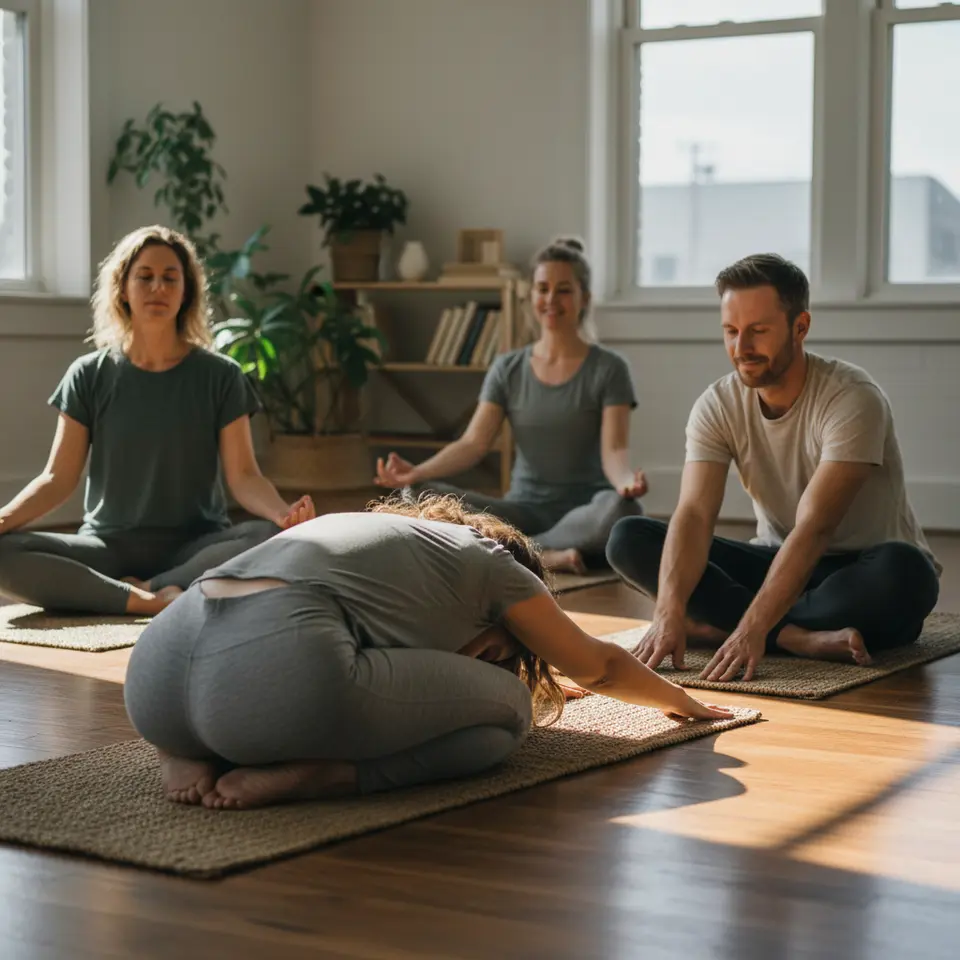
In today’s digital landscape, constant notifications, overflowing inboxes, and unending to-do lists can leave us feeling fragmented and fatigued. This year (2026), as stress levels remain high and many search for accessible ways to restore balance, mindful yoga is gaining momentum as a holistic practice that marries intentional movement with deep awareness. By combining gentle asanas, breath regulation, and focused attention, mindful yoga offers a sanctuary from the rush of daily life and invites practitioners to inhabit each moment fully.
Research institutions such as the National Institutes of Health (https://www.nih.gov) and leading universities like Harvard Health Publishing (https://www.health.harvard.edu) are increasingly highlighting the positive impact of integrating mindfulness techniques into physical routines. In a world that prizes speed and productivity, cultivating presence on the mat translates into enhanced calm off the mat. Over the course of this comprehensive guide, you’ll discover foundational principles, evidence-based benefits, and practical methods to build a consistent, life-affirming routine.
Whether you’re brand new to yoga or seeking to deepen an existing regimen, these insights will help you transform each posture into a moving meditation. Prepare to explore simple yet profound shifts in attention that can lead to greater resilience, emotional balance, and inner peace.
Foundations of Mindful Yoga
Origins and Philosophy
Mindful yoga draws on ancient traditions of yoga and Buddhist meditation, weaving them into a contemporary practice that emphasizes present-moment awareness. Whereas classical yoga often focuses on physical alignment and flexibility, mindful yoga layers in continuous self-observation: noticing bodily sensations, tracking the flow of breath, and acknowledging thoughts without judgment. This synergistic approach finds its roots in Buddhist vipassana (insight meditation) and Hindu pranayama (breath control), creating a seamless blend of movement and mindfulness.
Connection of Breath and Movement
At the heart of mindful yoga lies the conscious linking of inhalations and exhalations with deliberate asana transitions. Instead of mechanically shifting between poses, practitioners learn to sense how air fills the lungs, expands the ribs, and influences muscle engagement. By slowing down and tuning into subtle shifts in balance, alignment, and muscular tension, each posture becomes a gateway to deeper self-inquiry. Today, this fusion offers not only physical benefits but also a direct route to quieting the chatter of the mind.
Evidence-Based Advantages of Mindful Yoga

Stress Reduction and Mental Health
Multiple studies from the National Center for Complementary and Integrative Health (https://www.nccih.nih.gov) indicate that mindful yoga effectively activates the body’s relaxation response, lowering cortisol levels and mitigating symptoms of anxiety and depression. By consciously observing the breath and bodily sensations, individuals train their nervous systems to shift out of fight-or-flight mode. This physiological recalibration supports better sleep, heightened clarity, and a more resilient approach to life’s challenges.
Physical Wellbeing and Resilience
While flexibility and strength gains are well-documented benefits of traditional yoga, mindful yoga adds an extra dimension by encouraging micro-adjustments and deeper proprioception. Participants often report improvements in posture and joint mobility, as well as reduced back pain and muscle stiffness. Furthermore, cultivating awareness during practice enhances body-mind coordination, helping you move through daily tasks with greater ease and reduced risk of injury.
Practical Mindfulness Techniques for Yoga Sessions
Guided Breathing Practices
Begin each session with 3–5 minutes of conscious diaphragmatic breathing. Sit or lie comfortably, place one hand on your abdomen, and inhale steadily through the nose. Feel your belly rise, then pause briefly before releasing the breath completely. This simple exercise anchors your attention to the present and primes the nervous system for deeper relaxation.
Attentive Transitions Between Poses
Rather than rushing into the next asana, pause at the end of each posture. Notice how your weight shifts across the feet, sense the stretch in your muscles, and align your spine. Coordinate each movement with breath—exhale as you fold forward, inhale as you lift—transforming transitions into potent mindfulness opportunities.
Embarking on Your Journey: Getting Started with Mindful Yoga
Setting Intentions
Before stepping onto your mat, decide on a clear intention—what quality you want to nurture (e.g., patience, self-compassion, presence). Writing it down in a journal or speaking it aloud can reinforce commitment. This simple ritual grounds your practice in purpose and reminds you why you return day after day.
Designing Your Practice Space
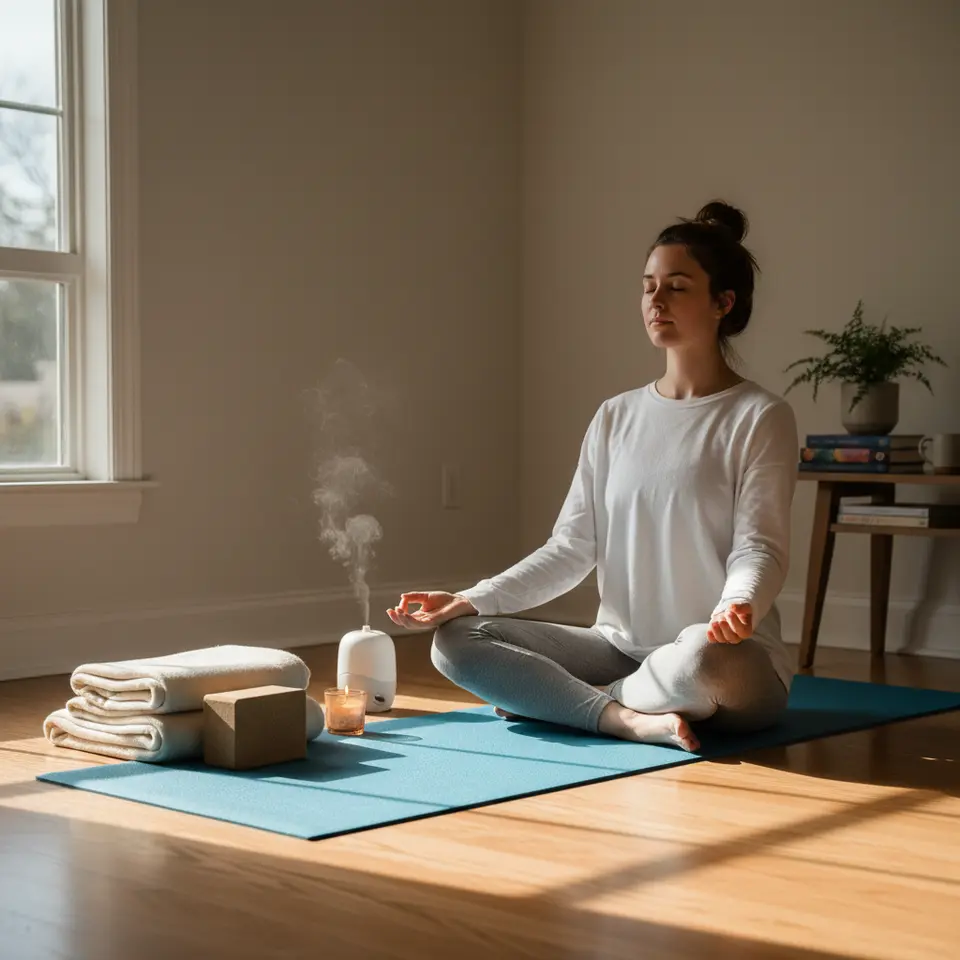
Carve out a dedicated corner free from electronic distractions. A soft mat, a folded blanket, and perhaps a candle or gentle diffuser can signal to your mind that it’s time to slow down. In today’s busy homes, having a consistent, inviting space helps maintain motivation and channels energy toward presence rather than disruption.
Maintaining Momentum and Deepening Your Practice
Overcoming Common Obstacles
It’s normal for the mind to wander or for days to pass without practice. When distraction arises, simply label thoughts—“thinking,” “planning,” “remembering”—and return to your breath without self-criticism. For physical discomfort, explore props like blocks or straps to support your body and maintain ease in each posture.
Exploring Advanced Approaches
Once you’ve established a steady routine, you may wish to experiment with yin yoga or silent walking meditations to amplify awareness. Attending a retreat or workshop this year (2026) can also offer fresh perspectives and guidance from experienced teachers, accelerating your growth and igniting deeper curiosity.
Frequently Asked Questions
How do I stay focused during practice?
It’s common for the mind to wander. When you notice distraction, gently acknowledge the thought and guide your attention back to the breath or movement without judgment.
How often should I practice mindful yoga?
Ideally, aim for 3–5 short sessions per week. Even 10–15 minutes of daily practice can build consistency and reinforce mindful habits.
Do I need special props or equipment?
While props like blocks, straps, and bolsters can enhance comfort and accessibility, they aren’t mandatory. A clear space and a comfortable mat are sufficient to begin.
Can mindful yoga replace other forms of therapy?
Mindful yoga supports mental and physical wellbeing but isn’t a substitute for professional therapy. It can complement therapeutic work by improving stress management and self-awareness.
Conclusion
In today’s fast-paced environment, mindful yoga emerges as an accessible, evidence-based practice that unites the wisdom of ancient traditions with modern insights into wellbeing. By weaving focused breath work and purposeful attention into each posture and transition, practitioners can reduce stress, enhance mental clarity, and foster lasting resilience. Starting small—just a few minutes of conscious breathing—and gradually building your routine can yield profound shifts in how you navigate daily life. Embrace the journey patiently, honor each step on the mat, and watch as the seeds of present-moment awareness unfurl into greater peace, presence, and vitality off the mat as well.
