



Have you ever noticed how often your mind wanders away from the present moment? Awareness Meditation offers a powerful antidote to constant distraction. By training your mind to observe thoughts and sensations without judgment, Meditation grounds you in the here and now. This foundational practice transforms how you experience daily life.
This guide provides everything you need to master Meditation. We explore the core principles, scientifically backed benefits, and actionable steps to build your daily routine. You will discover practical techniques, learn how to overcome common hurdles, and find expert strategies to deepen your connection to the present moment.
Understanding the Foundations of Awareness Meditation
Meditation is the deliberate practice of anchoring your attention to your current experience. Unlike practices that ask you to visualize complex imagery or chant a specific mantra, Meditation requires nothing more than your presence. You simply notice what happens in your mind and body as it happens.
Many people confuse this with clearing the mind entirely. However, Awareness Meditation is not about stopping your thoughts. It is about changing your relationship with them. When a thought arises during Awareness Meditation, you acknowledge it, let it go, and return your focus to your anchor, which is usually your breath. This cycle of wandering and returning is the actual work of Meditation.
By engaging in Awareness Meditation, you cultivate a profound sense of inner space. You learn to watch your emotional regulation improve as you stop reacting impulsively to every feeling. Practitioners of Awareness Meditation often report feeling more grounded and resilient when facing stressful situations. The beauty of Meditation lies in its simplicity. You can practice Awareness Meditation anywhere, whether you are sitting quietly in a room or waiting in line at the grocery store.
The Philosophy Behind the Practice
The roots of Meditation stretch back thousands of years. Early practitioners understood that human suffering often stems from our attachment to the past or our anxiety about the future. Meditation brings us back to the only moment we truly control: right now.
When you practice Awareness Meditation, you develop a quality called non-judgmental observation. This means you stop labeling your thoughts as “good” or “bad.” If you feel anxious during Awareness Meditation, you simply note “anxiety is present” rather than thinking “I am bad at this.” This subtle shift in perspective is the hallmark of effective Meditation.
We also see this philosophy reflected in modern psychology. Therapists frequently incorporate Awareness Meditation into treatments for anxiety and depression. They recognize that Awareness Meditation helps patients break the cycle of rumination. By prioritizing Meditation, you build a mental buffer between a stimulus and your response.
Mini-Conclusion: Building a foundation in Awareness Meditation requires patience. Understand that the goal is observation, not perfection. As you continue your Meditation journey, this observational skill will become second nature.
The Science and Benefits of Awareness Meditation

Researchers have spent decades studying the effects of Meditation on the human brain. The data consistently shows that regular Meditation physically alters brain structure. Specifically, Awareness Meditation increases gray matter density in the hippocampus, the area responsible for learning and memory.
Simultaneously, Meditation shrinks the amygdala, which controls our fight-or-flight response. This neurological shift explains why Awareness Meditation is so effective at reducing stress. When you commit to Awareness Meditation, you literally rewire your brain for calm.
Let us explore the specific mindfulness practice benefits associated with Awareness Meditation:
- Stress Reduction: Meditation lowers cortisol levels. By focusing on the present, Awareness Meditation prevents the mind from spinning into catastrophic future scenarios.
- Improved Focus: Meditation acts like a workout for your attention span. Each time you redirect your focus during Awareness Meditation, you strengthen your cognitive control.
- Enhanced Emotional Health: Regular Meditation fosters a positive self-image. Awareness Meditation helps you identify negative thought patterns before they take root.
- Better Sleep Quality: Practicing Meditation before bed calms the nervous system. Awareness Meditation prepares your body for deep, restorative rest.
- Pain Management: Studies indicate that Awareness Meditation can alter the perception of physical pain. Meditation teaches you to separate the physical sensation from the emotional reaction to it.
The compounding benefits of Meditation make it a vital tool for overall well-being. Even brief sessions of Awareness Meditation can yield measurable improvements in your mood and cognitive function.
Mini-Conclusion: The scientific backing for Meditation is robust and growing. By making Awareness Meditation a habit, you invest directly in your long-term neurological and psychological health.
Step-by-Step Guide: How to Start Awareness Meditation
Starting an Meditation practice feels daunting to many beginners. However, Awareness Meditation requires no special equipment or complex training. Follow this straightforward guide to begin your Awareness Meditation journey today.
Step 1: Create Your Environment
Choose a quiet space for your Meditation. You do not need a dedicated meditation room, but you should minimize external distractions. Turn off your phone and let others know you need a few minutes of privacy. Consistency helps build the habit, so try to practice Awareness Meditation in the same spot each day.
Step 2: Establish Your Posture
Sit comfortably for your Meditation. You can sit on a cushion on the floor or in a sturdy chair. Keep your back straight but not rigid. Let your hands rest naturally in your lap. Proper posture during Awareness Meditation keeps you alert while allowing your body to relax. Close your eyes gently, or keep them half-open with a soft gaze cast downward.
Step 3: Find Your Anchor
Every Meditation needs an anchor. For most people, the breath serves as the best anchor. Notice the sensation of air entering and leaving your nostrils. Feel your chest rise and fall. During Meditation, your anchor gives your mind a home base. When you get lost in thought, you simply guide your attention back to this physical sensation.
Step 4: Observe Without Judgment
As you continue your Awareness Meditation, thoughts will inevitably arise. You might think about your grocery list or replay a conversation from yesterday. This is normal. When practicing Awareness Meditation, simply notice the thought, silently label it “thinking,” and gently return to your breath. Do not scold yourself. This gentle return is the core mechanism of Meditation.
Step 5: Close Your Practice
When your Meditation session ends, do not rush to jump up. Take a moment to notice how your body feels. Wiggle your fingers and toes. Open your eyes slowly. Carry the calm you cultivated during your Awareness Meditation into your next activity.
Mini-Conclusion: Consistency matters more than duration when starting Awareness Meditation. Begin with just five minutes of Meditation daily and gradually increase the time as your focus improves.
Awareness Meditation vs. Concentration Meditation
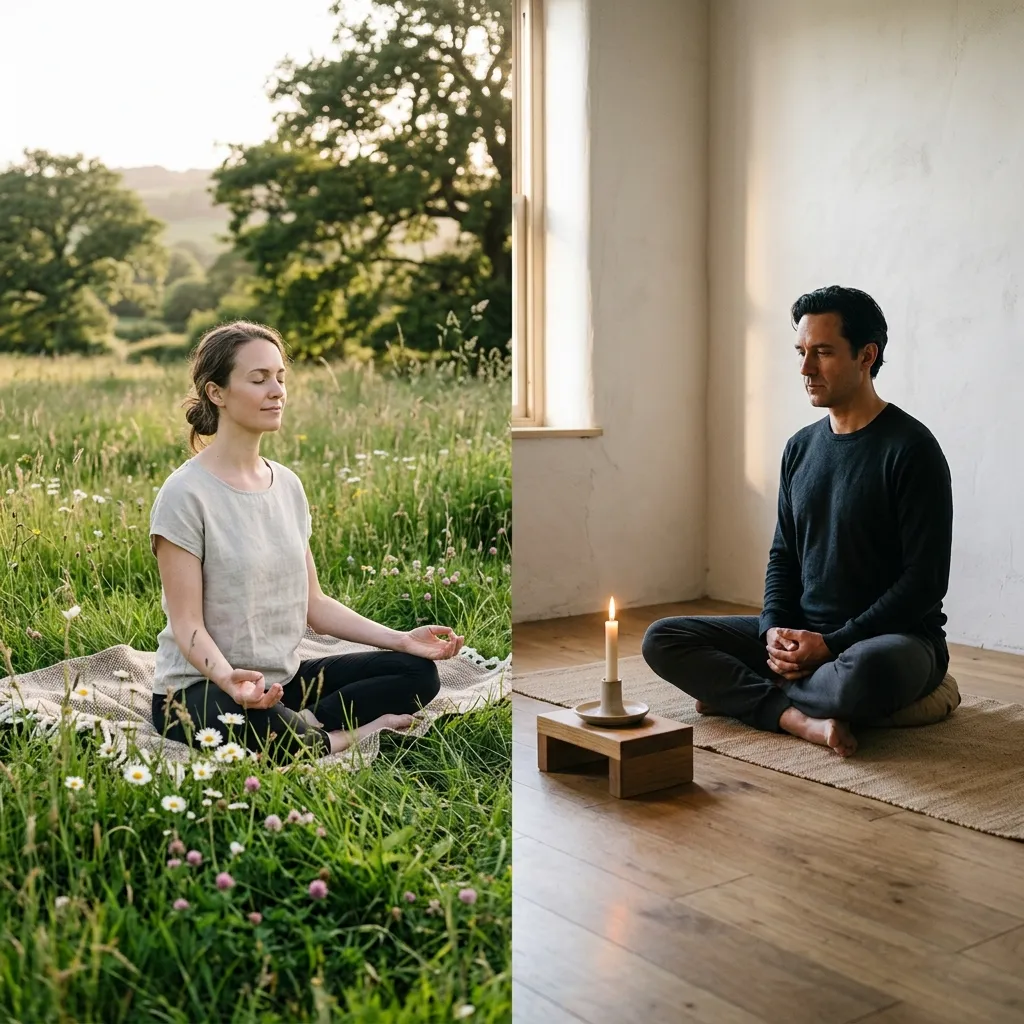
To fully grasp Awareness Meditation, it helps to compare it to other popular techniques. While both aim to calm the mind, their approaches differ significantly.
|
Feature |
Awareness Meditation |
Concentration Meditation |
|---|---|---|
|
Primary Focus |
Open monitoring of all present experiences |
Single-pointed focus on one specific object |
|
Handling Distractions |
Acknowledges and observes them without judgment |
Actively blocks them out to maintain strict focus |
|
Mental State |
Expansive, receptive, and fluid |
Narrow, intense, and fixed |
|
Goal |
Insight into the nature of thoughts and feelings |
Achieving a state of deep absorption and tranquility |
|
Common Anchors |
Breath, bodily sensations, ambient sounds |
A mantra, a candle flame, a specific visualization |
Understanding this distinction helps you tailor your practice. Awareness Meditation provides a broader perspective on your internal landscape, making it highly effective for daily stress management.
Common Mistakes to Avoid in Awareness Meditation
Even experienced practitioners encounter roadblocks in Meditation. By identifying these pitfalls, you can keep your Meditation practice thriving.
- Fighting Your Thoughts: The most common mistake in Awareness Meditation is trying to force the mind to be blank. Meditation requires acceptance. Let thoughts flow without fighting them.
- Judging Your Performance: Thinking you had a “bad” Meditation session defeats the purpose. Every session of Meditation is valuable, even if your mind is highly distracted.
- Inconsistent Practice: Doing Awareness Meditation for an hour once a month is less effective than ten minutes daily. Meditation relies on regular repetition to rewire the brain.
- Straining for Relaxation: Paradoxically, trying too hard to relax during Awareness Meditation causes tension. Let relaxation be a byproduct of your Meditation, not a forced goal.
Mini-Conclusion: Approach Meditation with a sense of gentle curiosity. When you drop expectations, your Awareness Meditation becomes much more fluid and enjoyable.
Pro Tips for Deepening Your Awareness Meditation
Once you establish a basic routine, you can explore techniques to enhance your Awareness Meditation. Experts use these strategies to overcome plateaus and deepen their mental clarity.
Integrate Body Scans
Incorporate a brief body scan into your Meditation. Start at your toes and slowly move your attention up to the crown of your head. Notice any tension or warmth. This grounds your Awareness Meditation deeply in physical reality and prevents you from getting lost in conceptual thinking.
Use Micro-Meditations
Do not limit Meditation to your formal sitting time. Practice micro-sessions of Awareness Meditation throughout the day. Take three mindful breaths before answering an email or opening a door. These mini-moments of Awareness Meditation bridge the gap between formal practice and daily life.
Name Your Emotions
When a strong feeling interrupts your Meditation, use mental noting. Silently say “sadness,” “frustration,” or “joy.” This technique, essential to advanced Meditation, creates distance between you and the emotion. It prevents the feeling from hijacking your Awareness Meditation session.
Mini-Conclusion: Deepening your Meditation requires playful experimentation. Use these expert insights to keep your Awareness Meditation fresh and responsive to your current needs.
Cultivating Daily Mindfulness Through Awareness Meditation
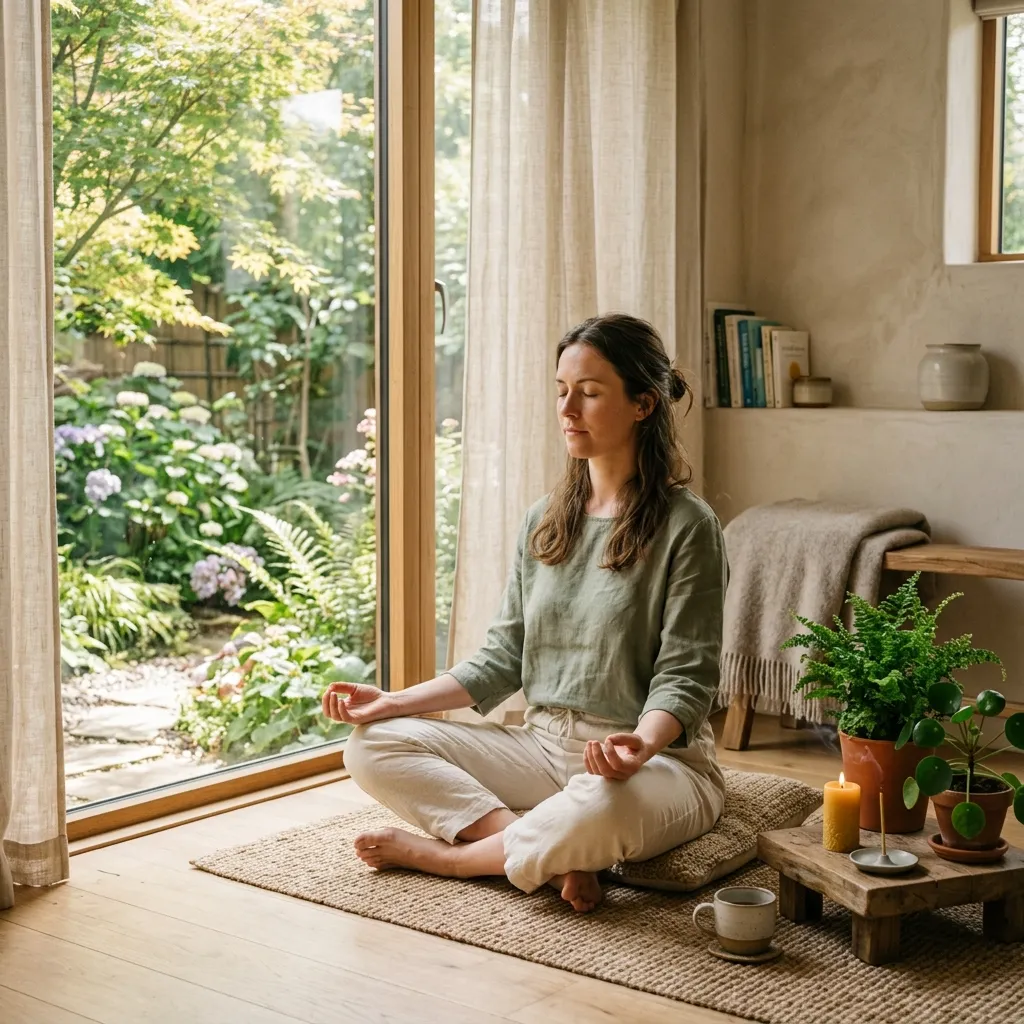
The ultimate goal of Meditation is not just to become a better meditator, but to live a more mindful life. Awareness Meditation serves as a training ground for real-world interactions.
When you practice Meditation, you develop a pause button. This pause is crucial when dealing with difficult people or challenging tasks. Instead of reacting out of habit, the skills built through Awareness Meditation allow you to respond with intention. You will find that Meditation makes you a better listener, a more patient friend, and a more focused worker.
Consider integrating Meditation into your morning routine. Setting the tone with Awareness Meditation ensures you start the day from a place of proactive calm rather than reactive stress. Likewise, ending the day with Awareness Meditation helps clear the mental clutter accumulated over the hours. Meditation becomes a lifelong companion, guiding you through the inevitable ups and downs with grace and stability.
Conclusion
Embracing Meditation is one of the most powerful choices you can make for your mental and physical health. By committing to this simple yet profound practice, you rewire your brain for peace, enhance your emotional resilience, and reclaim the present moment. Start your Meditation journey today. Take a deep breath, observe your thoughts, and discover the clarity that awaits you.
FAQs
1. What exactly is Meditation?
Awareness Meditation is a mental practice where you focus your attention on the present moment, observing thoughts, feelings, and sensations as they happen, without passing judgment on them.
2. How long should I practice Awareness Meditation each day?
Beginners should start with 5 to 10 minutes of Meditation daily. As you become more comfortable with the practice, you can gradually extend your Meditation sessions to 20 or 30 minutes.
3. Can Awareness Meditation help with severe anxiety?
Yes, clinical studies show that regular Meditation significantly reduces anxiety symptoms by lowering cortisol levels and decreasing reactivity in the brain’s fear center.
4. Do I need to close my eyes during Awareness Meditation?
Closing your eyes minimizes visual distractions during Meditation, but it is not mandatory. You can practice Awareness Meditation with your eyes half-open, maintaining a soft, unfocused gaze on the floor.
5. What if I can’t stop thinking during Awareness Meditation?
Stopping thoughts is a myth. During Awareness Meditation, your goal is simply to notice when you are thinking and gently bring your attention back to your anchor, like your breath.
6. Is Awareness Meditation tied to any specific religion?
While Meditation has roots in Buddhist traditions, the modern practice of Awareness Meditation is entirely secular and can be practiced by individuals of any faith or no faith at all.
7. How long does it take to see benefits from Awareness Meditation?
Many people feel a sense of calm after their very first Meditation session. However, structural brain changes and long-term benefits from Meditation typically appear after four to eight weeks of daily practice.
8. What is the best time of day for Awareness Meditation?
The best time for Meditation is whenever you can do it consistently. Many prefer morning Awareness Meditation to set a positive tone for the day, while others use it in the evening to unwind.
9. Can I do Awareness Meditation while walking?
Absolutely. Walking Meditation is a popular technique where you anchor your attention to the physical sensation of your feet touching the ground and the movement of your body.
10. Do I need an app to practice Awareness Meditation?
While guided apps can be helpful for beginners learning Meditation, they are not necessary. You can practice Meditation entirely on your own simply by focusing on your breath and observing your surroundings.
