

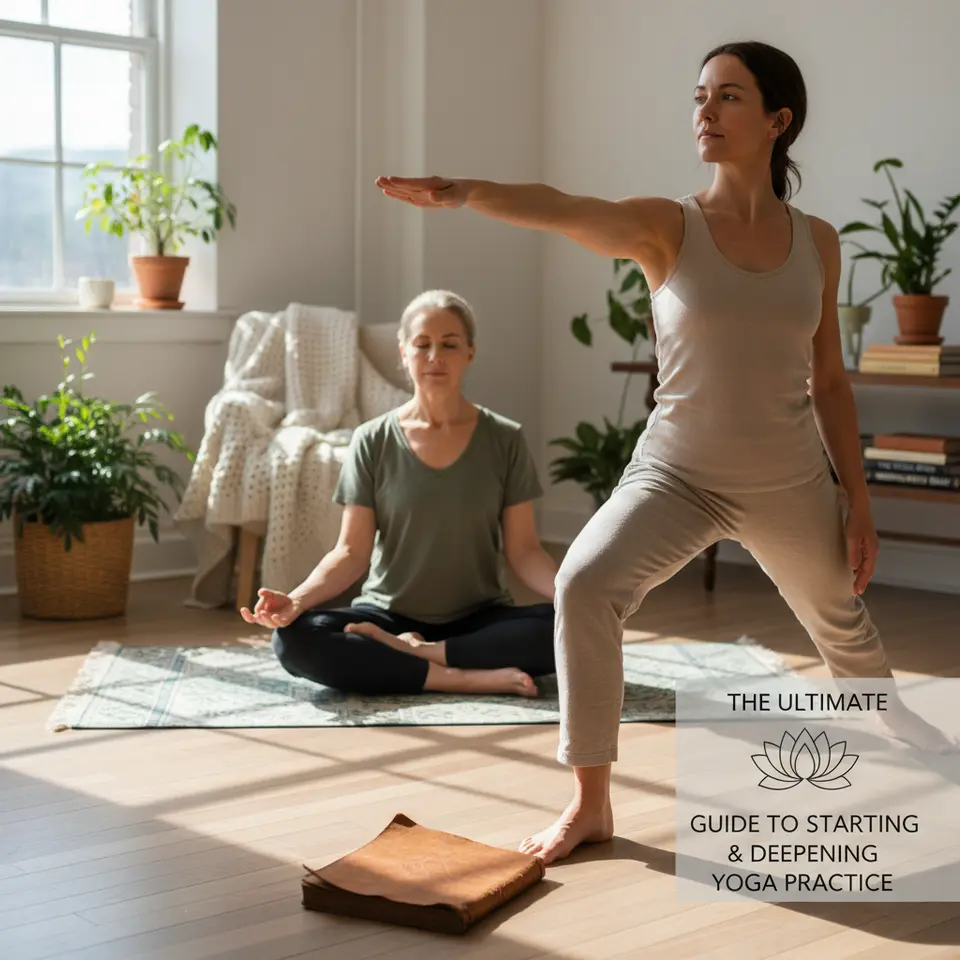
Embarking on the Ultimate Guide to Starting and Deepening Yoga Practice offers a transformative journey for mind, body, and spirit in today’s digital landscape. Whether you’re rolling out a mat in a quiet corner of your home or stepping into a studio for the first time, yoga provides a versatile pathway to cultivate strength, flexibility, and mindful presence. In this guide, you’ll discover foundational philosophies, practical steps to begin safely, and strategies for sustained growth for both beginners and seasoned practitioners. As you explore essential poses, breathing techniques, and advanced sequences, you’ll learn how to tailor your routine to personal goals—whether that involves stress relief, enhanced mobility, or deeper self-awareness. By incorporating insights from leading research institutions such as the National Institutes of Health (NIH) and teachings from esteemed scholars at Harvard University (Harvard), we ground our advice in evidence-based practices that resonate with modern lifestyles. Stay curious, listen to your body, and let mindfulness guide each breath and movement as you embark on this year’s (2026) most comprehensive roadmap to lasting well-being.
History and Philosophy of Yoga
The origins of yoga trace back over five millennia to ancient India, where sages and spiritual seekers developed an integrated system uniting physical postures, breath regulation, and ethical principles. Early references in the Rig Veda introduced the word “yoga,” signifying union or yoke—an alignment of individual awareness with universal consciousness. Over time, classical texts like the Upanishads and the Bhagavad Gita expanded on this concept, illuminating a path toward self-realization through disciplined practice and introspection.
In today’s context, understanding the philosophical roots can deepen your commitment and infuse every session with greater intention. Patanjali’s Yoga Sutras, compiled around 400 CE, outline the eight limbs of yoga—ethical discipline (yama), personal observances (niyama), physical postures (asana), breath control (pranayama), sense withdrawal (pratyahara), concentration (dharana), meditation (dhyana), and blissful absorption (samadhi). These principles form a holistic framework, reminding modern students that the ultimate goal extends beyond flexibility or strength: it’s about cultivating equanimity, compassion, and inner clarity.
As you explore this Ultimate Guide to Starting and Deepening Yoga Practice, reflect on the lineage that spans continents and centuries. Contemporary teachers such as T. Krishnamacharya, B.K.S. Iyengar, and Pattabhi Jois adapted ancient teachings for contemporary life, blending tradition and innovation to address urban stress, sedentary work patterns, and mental health challenges. By honoring the heritage of these masters, you can approach each posture and breath with reverence, tapping into a living tradition that fosters resilience and presence in today’s fast-paced world.
Core Benefits of Yoga in Today’s Digital Landscape
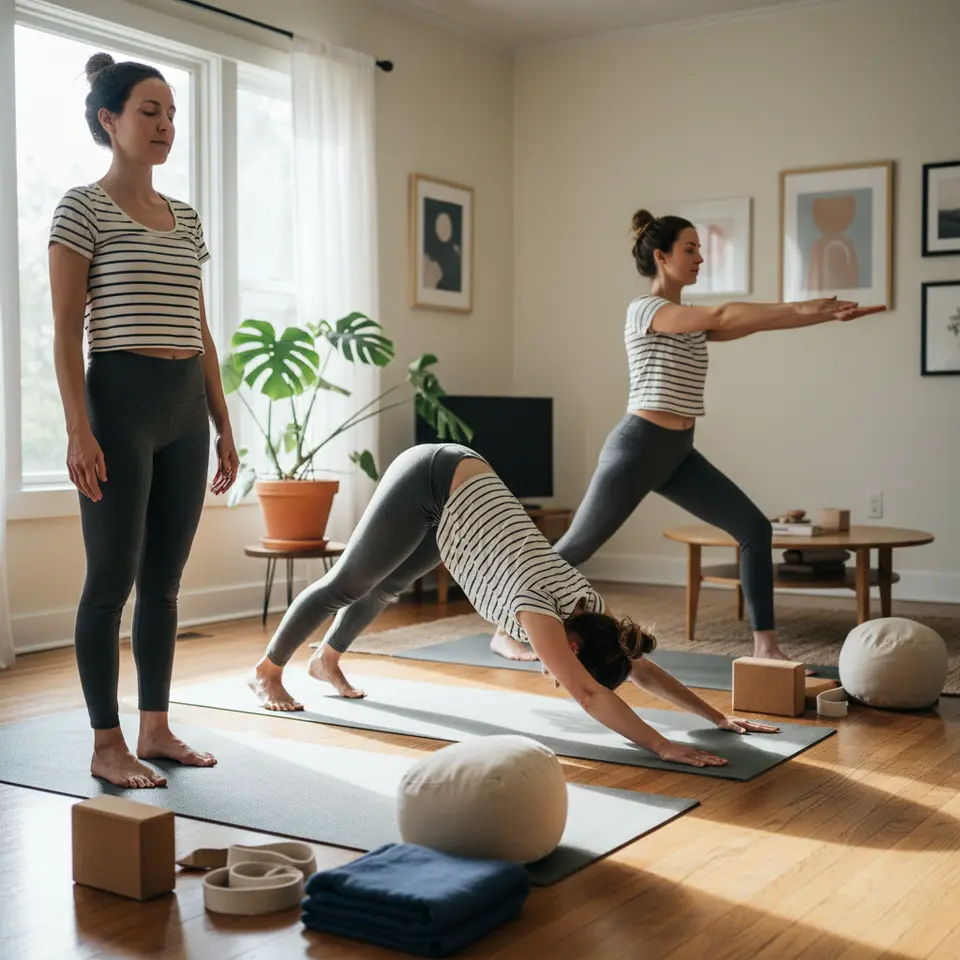
In an era defined by screens, deadlines, and constant stimuli, yoga emerges as an antidote to mental clutter and physical stagnation. Research from institutions like the NIH underscores that regular yoga practice supports cardiovascular health, muscular strength, and joint mobility—key factors for individuals spending extended hours seated at desks or engaging in repetitive movements. Through dynamic sequences and targeted poses, you build lean muscle tone while simultaneously decreasing risk of injury.
Mental clarity represents another cornerstone benefit. Breath-centered movement promotes regulation of the autonomic nervous system, lowering cortisol levels and enhancing resilience to stress. Practitioners often report sharpened focus and improved decision-making—a valuable asset in both professional and personal arenas. By integrating mindfulness and asana, you cultivate an inner environment of calm that extends far beyond your mat, improving emotional regulation throughout daily life.
Improved posture is a third critical outcome, especially for those who experience chronic neck, shoulder, and back tension from prolonged sitting or tech-related forward head posture. Yoga’s emphasis on spinal alignment, core engagement, and balanced muscle activation can relieve discomfort and restore proper biomechanics. Over time, this boosts energy levels, as aligning the body efficiently reduces wasted effort and physical fatigue.
Finally, the practice nurtures emotional equilibrium and self-awareness. Through introspective techniques such as meditation and reflective journaling, you build a compassionate relationship with your inner experience. This empowers more skillful responses to challenges and fosters deeper connections with others. Altogether, these benefits underscore why the Ultimate Guide to Starting and Deepening Yoga Practice remains a vital resource for anyone seeking holistic well-being in this year (2026).
Exploring Popular Yoga Styles and Finding Your Fit
Yoga’s diversity is one of its greatest strengths—there’s a style suited to every temperament and objective. Hatha Yoga offers a balanced introduction, blending foundational asanas with basic pranayama in a moderate-paced context. If you’re new to the practice, hatha sequences allow ample time to refine alignment and develop body awareness.
For those craving fluidity and cardio benefits, Vinyasa Yoga synchronizes breath and movement in flowing sequences. Classes range from gentle, introspective flows to vigorous, athletic sessions that challenge heart rate and endurance. This variety makes Vinyasa a favorite for practitioners seeking dynamic evolution in their strength and flexibility.
Iyengar Yoga, founded by B.K.S. Iyengar, channels attention into meticulous alignment. Props—such as blocks, straps, and bolsters—support students in achieving precise form. By holding poses for extended periods, you gain insight into micro-adjustments and muscle engagement, making Iyengar an ideal choice for injury rehabilitation or technical refinement.
Ashtanga Yoga adheres to a fixed sequence of 75 poses performed in the same order, fostering discipline, stamina, and internal heat. It’s best suited to those who appreciate routine and progressive challenge. Meanwhile, Yin Yoga offers a counterbalance to fast-paced styles, targeting deep connective tissues with long holds that enhance joint mobility and release tension in the fascia.
By sampling workshops, online classes, or studio offerings, you can identify which approach aligns with your goals—whether that’s cultivating a meditative state, maximizing physical gains, or healing through restorative methods. This exploration is a key step in the Ultimate Guide to Starting and Deepening Yoga Practice, ensuring you commit to a path that resonates with your lifestyle and aspirations.
Essential Equipment, Foundational Poses, and Practices for Beginners
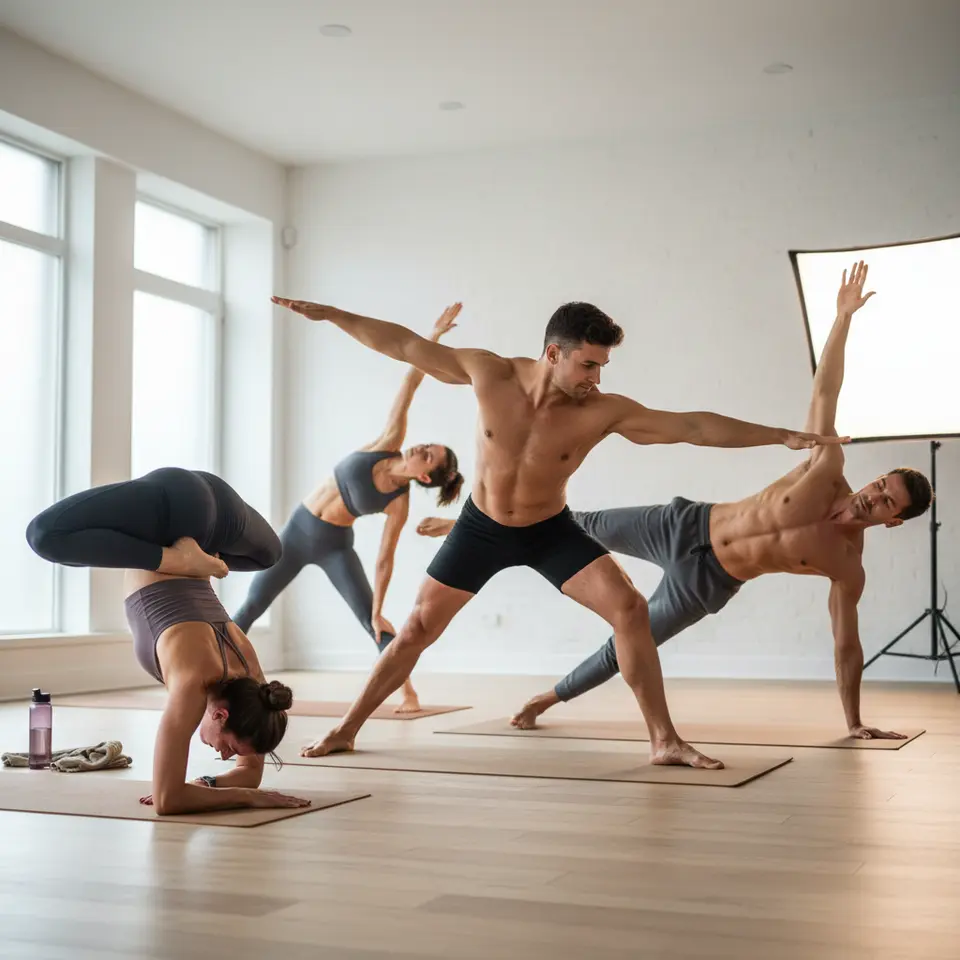
Embarking on a yoga journey begins with simple yet effective tools. A non-slip yoga mat provides stability and cushioning; choose thickness based on comfort and the intensity of your practice. Yoga blocks, straps, and bolsters support alignment, bridge gaps between limbs and the floor, and aid restorative sessions. A folded blanket can cushion sensitive joints during seated or reclining poses.
Once equipped, start with foundational asanas that build awareness and prepare your body for more advanced challenges. Mountain Pose (Tadasana) teaches alignment by grounding through the feet, lifting through the spine, and guiding breath awareness. From there, transition into Downward Facing Dog (Adho Mukha Svanasana), an inversion that stretches the hamstrings, lengthens the spine, and strengthens the arms and shoulders.
Child’s Pose (Balasana) offers gentle relief when you need a moment of rest; it calms the nervous system while opening the hips and back. Warrior I (Virabhadrasana I) and Warrior II (Virabhadrasana II) cultivate leg strength, hip mobility, and core engagement—essential components for stability in standing postures. Incorporating these poses into a consistent two- to three-times-per-week routine lays a solid groundwork for progression.
Breathing techniques are equally vital. Practice Dirga (three-part breath) by sequentially filling the belly, ribs, and chest on the inhale before releasing fully. Alternate Nostril Breathing (Nadi Shodhana) balances energy channels and soothes mental chatter. Even a brief daily session, such as five minutes of mindful breathing or a 20-minute sequence, yields tangible benefits in flexibility, stress reduction, and focus.
As you follow the Ultimate Guide to Starting and Deepening Yoga Practice, set realistic intentions: commit to short, manageable sessions, journal your experiences, and celebrate milestones. With consistency and patience, you’ll build confidence and prepare your body for more nuanced variations of these foundational poses.
Advancing Your Practice: From Intermediate Poses to Mastery
Once you’re comfortable with beginner postures, gradually introduce intermediate asanas that challenge balance, strength, and coordination. Crow Pose (Bakasana) enhances arm and core stability: from a squat, place palms flat on the mat, lift hips, and shift weight forward until your knees rest on the triceps. This pose refines proprioception and concentration.
Half Moon Pose (Ardha Chandrasana) demands coordination as you shift weight onto one hand and foot, lift the opposite leg parallel to the floor, and open your chest skyward. It enhances lateral strength and hip flexibility while fostering equanimity under imbalance.
For a backbend challenge, Wheel Pose (Urdhva Dhanurasana) opens the chest and strengthens the entire posterior chain. Lie on your back with knees bent and feet hip-width apart, then press palms by your ears to arch upward. Always warm up thoroughly with shoulder and spine extensions before attempting full Wheel Pose.
Side Plank (Vasisthasana) refines oblique engagement and wrist endurance. From a high plank, shift onto one hand, stack your feet, and extend the opposite arm skyward. This variation supports rotational strength crucial for dynamic vinyasa flows.
As you master these intermediate shapes, integrate advanced breath retention (kumbhaka) and longer holds to deepen proprioceptive feedback. Consider workshops or private sessions with certified instructors to refine technique and ensure safe alignment. The Ultimate Guide to Starting and Deepening Yoga Practice encourages gradual progression—honor your body’s signals, and approach each milestone with curiosity rather than pressure.
Frequently Asked Questions
Q: How often should I practice yoga as a beginner?
A: Starting with two to three short sessions per week (20–30 minutes each) helps build consistency without overwhelming your body. Gradually increase frequency and duration as you grow more comfortable and confident.
Q: What equipment do I need to start practicing yoga at home?
A: At minimum, a non-slip yoga mat ensures stability. Adding blocks, straps, bolsters, and a folded blanket supports alignment and aids restorative poses, especially during your foundational phase.
Q: Which yoga style is best for stress relief?
A: Styles like Hatha and Yin Yoga emphasize slow-paced movements, breath awareness, and long holds, making them particularly effective for calming the nervous system and reducing cortisol levels.
Q: How can I safely progress to intermediate or advanced poses?
A: Honor your body’s signals, warm up thoroughly, and consider workshops or private instruction. Introduce poses like Crow, Half Moon, and Wheel gradually, and focus on alignment before intensity.
Q: Can yoga improve posture for people who sit at desks all day?
A: Absolutely. Yoga’s emphasis on spinal alignment, core engagement, and balanced muscle activation counteracts the effects of prolonged sitting, relieving neck, shoulder, and back tension over time.
Conclusion
Whether you’re a novice exploring the fundamentals or an experienced student pursuing advanced inversions, the Ultimate Guide to Starting and Deepening Yoga Practice offers a structured roadmap for sustainable growth. By honoring ancient philosophy, leveraging modern research from institutions like the National Institutes of Health and Harvard University, and tuning into your unique needs, you can develop a resilient, mindful, and joyful routine. Remember to set realistic goals, embrace short daily sessions, and celebrate incremental progress. As you flow through asanas, cultivate breath awareness, and explore meditation, you’ll discover that yoga extends far beyond physical postures—it becomes a lifelong companion for well-being in today’s fast-paced world. Roll out your mat today and let this year (2026) be the chapter where your practice transforms into a profound journey of self-discovery and balance.
