



Introduction
Establishing a consistent yoga practice can become one of the most transformative commitments you make in today’s fast-paced environment. Far more than a series of postures, maintaining a regular routine cultivates resilience, posture, strength, and mental clarity—all essential ingredients for holistic well-being. In today’s digital landscape, carving out time for intentional movement feels like a luxury, yet the long-term benefits are profound. This year (2026), dedicating yourself to steady progress on the mat will enhance flexibility, reduce stress, and foster emotional balance that extends into daily life. By integrating breathwork, mindfulness, and mindful sequencing, you’ll reap cumulative gains that compound with each session. Whether you’re just beginning or seeking to deepen an existing regimen, this guide unveils proven strategies, planning frameworks, equipment recommendations, and motivation techniques. Throughout this article, we’ll emphasize practical steps to weave yoga into your schedule with ease—transforming intention into habit and habit into a vibrant, revitalizing part of your lifestyle. Embrace this roadmap today and witness how a consistent yoga practice fuels lasting change for body and mind.
Why Consistent Yoga Practice Transforms Body and Mind

When approached as a sustainable discipline rather than a sporadic activity, yoga offers compounded benefits that few forms of exercise match. Physically, you’ll notice improvements in joint stability, muscular endurance, and alignment. Over time, postural imbalances correct themselves as you cultivate strength in neglected areas, enhancing daily comfort and reducing back or neck tension. From a neurological perspective, the repetition of focused movement patterns and breath synchronization supports neuroplasticity—the brain’s ability to forge new pathways. Researchers from the National Institutes of Health (https://www.nih.gov) highlight how mind-body practices can rewire stress responses, enhancing cognitive clarity and emotional regulation.
On the mental side, committing to a consistent yoga practice anchors you in present-moment awareness. Regular breathwork sessions—such as Ujjayi or alternate nostril breathing—modulate the autonomic nervous system, helping to lower cortisol levels and foster a calm inner landscape. A study featured by Harvard Health (https://www.health.harvard.edu) points out that mindful movement reduces anxiety symptoms and supports overall mental health. In effect, these sessions serve as short resets, allowing you to navigate personal and professional demands with increased composure. By weaving practice into daily life, even brief five- to ten-minute sequences can accumulate significant benefits, nurturing both physical vitality and an enduring sense of well-being.
Overcoming Obstacles to Establish a Daily Routine
Crafting reliable habits often runs up against time constraints, wavering motivation, and unpredictable schedules. Tackling these challenges starts with small, achievable commitments. Rather than aiming for hour-long sessions from day one, set aside five to ten minutes daily and build gradually. Framing your mat time as a non-negotiable appointment increases adherence—block the slot in your calendar and set reminders on your phone. On low-energy mornings or evenings, opt for restorative sequences or gentle stretching instead of skipping practice entirely. This approach preserves consistency while respecting your body’s rhythms.
Unexpected disruptions—work demands, family obligations, travel—can derail well-intentioned routines. In response, create portable micro-practices that require minimal space and equipment, such as standing hip openers or seated twists you can perform beside a desk or in a hotel room. Utilize on-demand classes or guided audio sessions via reputable platforms to stay connected even when away from home. Remember, consistency doesn’t demand perfection; it thrives on adaptability. Reaffirm your core motivations regularly—whether enhanced flexibility, reduced tension, or improved mental focus—to reignite commitment when enthusiasm wanes.
Finally, enlist accountability partners or join online communities for external support and inspiration. Sharing milestones, challenges, and breakthroughs can reinforce commitment and provide fresh perspectives. Leveraging social accountability alongside personal motivation transforms individual effort into collective momentum, making a consistent yoga practice both sustainable and rewarding.
Crafting SMART Goals and Designing a Balanced Schedule
Goal setting fuels direction and measures progress in a tangible way. Applying the SMART framework—Specific, Measurable, Achievable, Relevant, Time-bound—ensures that targets are realistic and inspiring. For instance, instead of vaguely planning to “do more yoga,” aim to “complete three 30-minute sessions every week for the next month.” Document these goals in a journal or digital tracker, and review them weekly to celebrate progress or adjust timelines. Visual reminders—habit trackers, vision boards, or digital notifications—bolster resolve and mark momentum.
Once objectives are clear, map out a weekly plan that balances intensity, recovery, and variety. A sample structure might include energizing Vinyasa flows on Monday to kickstart the week, restorative Yin or gentle Hatha on Tuesday evening, targeted strength-building Ashtanga midweek, dedicated pranayama and meditation sessions on Thursday, alignment-focused Hatha on Friday, community or outdoor classes over the weekend, and a final Yin practice on Sunday to wind down. Tweak durations—ranging from 20 to 60 minutes—based on energy levels and schedule demands. By alternating dynamic and restorative styles, you address flexibility, strength, and mindfulness simultaneously, preventing burnout and nurturing a well-rounded practice.
Incorporate buffer days or shorter sessions to accommodate unexpected demands while preserving habit continuity. Remember: quality outweighs quantity. Even when pressed for time, a brief, focused sequence maintains engagement and primes the mind for deeper sessions when time permits. Through deliberate scheduling, you turn intention into tangible rhythm, making a consistent yoga practice an integral component of your daily life.
Selecting Styles, Tools, and Spaces for Effective Practice
Yoga’s vast spectrum of styles invites exploration, empowering you to tailor practice to physical capabilities and personal preferences. High-intensity flows such as Power or Ashtanga demand stamina and coordination, making them ideal for those seeking vigorous workouts. Hatha offers a foundation in alignment and temperance, perfect for beginners or anyone focused on precise posture. Vinyasa sequences emphasize breath-to-movement synchronization, boosting cardiovascular health, while Yin and Restorative practices hinge on extended holds and supportive props, facilitating deep relaxation and connective tissue release.
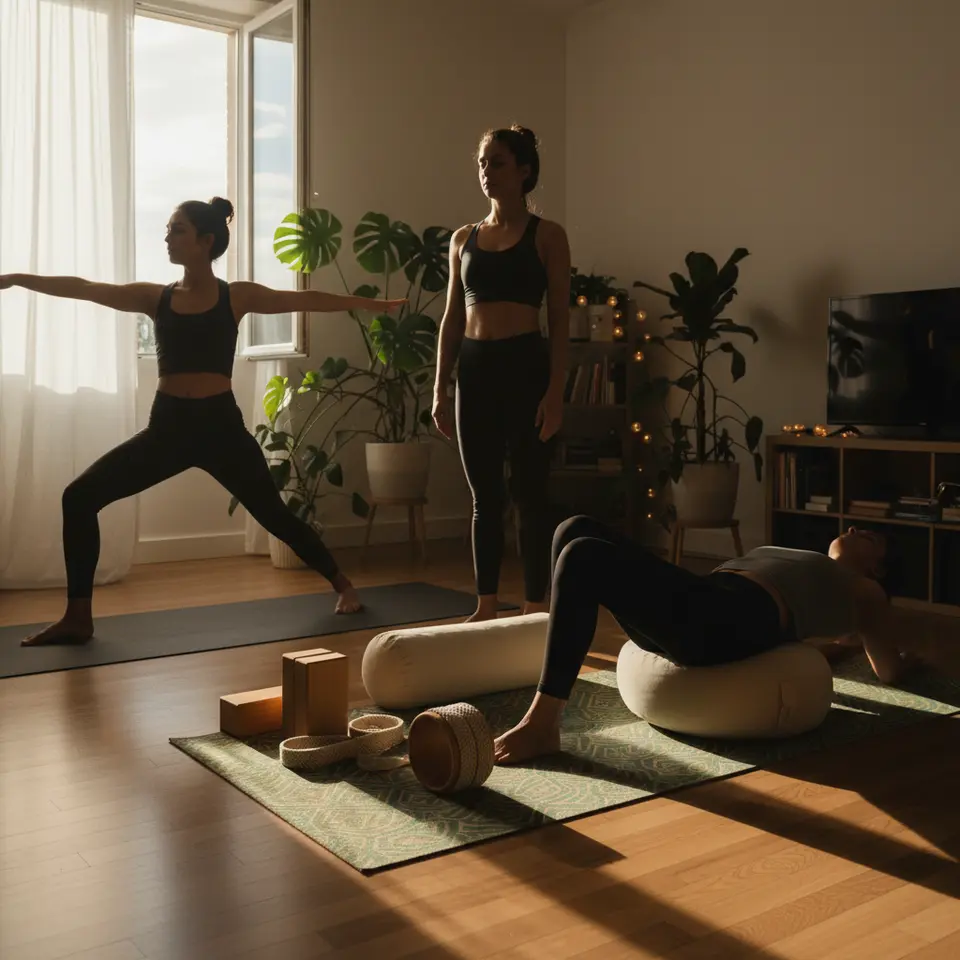
Choosing the right equipment elevates comfort, stability, and safety. A non-slip, adequately cushioned mat serves as the foundation. Blocks, straps, and bolsters assist in deepening poses and safeguarding joints, while resistance bands or a yoga wheel can challenge muscle groups and enhance mobility. Invest in eco-friendly, durable props that align with environmental values and support long-term use.
Equally important is your practice environment. A dedicated space—no matter how small—signals to the mind that it’s time to focus. Roll out your mat in a clutter-free corner, enhance the ambiance with natural light, fresh air, or subtle mood lighting, and incorporate calming elements such as indoor plants or gentle instrumental music. Good ventilation keeps you energized, while a tidy, inviting setting reduces distractions and fosters consistency. By pairing the right style, tools, and environment, you craft an atmosphere where a consistent yoga practice thrives effortlessly.
Integrating Mindfulness, Tracking Progress, and Sustaining Motivation
A truly transformative yoga regimen extends beyond physical movement to include breath mastery, meditation, and reflective tracking. Breath techniques like Ujjayi or alternate nostril breathing cultivate concentration and steady energy, while short seated meditations anchor mental clarity. Embedding these elements at the beginning or end of your sessions deepens awareness and reinforces the mind-body link. Consider incorporating Yoga Nidra or guided visualizations to enrich relaxation and recovery.
Maintaining a practice diary or using specialized apps—such as those endorsed by the Centers for Disease Control and Prevention (https://www.cdc.gov/physicalactivity)—provides accountability and insight into patterns. Record session dates, durations, styles explored, and personal observations: note improvements in range of motion, stress reduction, or mood shifts. Tracking milestones—from mastering a challenging pose to completing a week-long streak—fuels intrinsic motivation and celebrates incremental wins.
To navigate plateaus, diversify your routine with cross-training activities like swimming, Pilates, or resistance workouts. Seek workshops or one-on-one guidance to refine alignment and receive personalized feedback. Moreover, connecting with a community—local studios, online forums, or social media groups—offers inspiration, tips, and a shared sense of purpose. On days when energy dips, choose restorative or gentle flows to maintain continuity without undue strain. Embrace the mindset that consistency, even in small doses, sustains momentum and cements lifelong habits. Through mindful integration, vigilant tracking, and supportive networks, you’ll nurture unwavering dedication to a consistent yoga practice.
FAQ
How long should my daily yoga practice be?
Start with 5–10 minutes and gradually increase to 30–60 minutes as your schedule and energy allow.
What if I only have a few minutes each day?
Incorporate micro-practices—standing stretches or seated poses—and focus on mindful breathing to maintain consistency.
Do I need specialized equipment for a home practice?
A quality non-slip mat is essential; blocks, straps, and bolsters are helpful but not mandatory. Adapt with household items if needed.
How soon can I expect to see benefits?
Many practitioners notice improved flexibility and reduced stress within a few weeks of consistent, even brief, daily sessions.
Conclusion
Embarking on a sustainable yoga journey requires thoughtful planning, realistic goal setting, and a nurturing environment—elements that coalesce into lifelong wellness. By understanding the transformative power of steady engagement, overcoming scheduling hurdles, and crafting a SMART-driven roadmap, you set the stage for continuous growth. Selecting appropriate styles, investing in quality props, and creating a dedicated practice space further enhance your experience. Finally, weaving in mindfulness, journaling progress, and connecting with peers ensures the motivation to persist through challenges. In today’s demanding world, a consistent yoga practice becomes a potent tool for cultivating balance, mental clarity, and physical vitality. Use this guide as a blueprint to anchor your habit this year (2026), and watch as each intentional mat moment blossoms into profound, lasting transformation.
